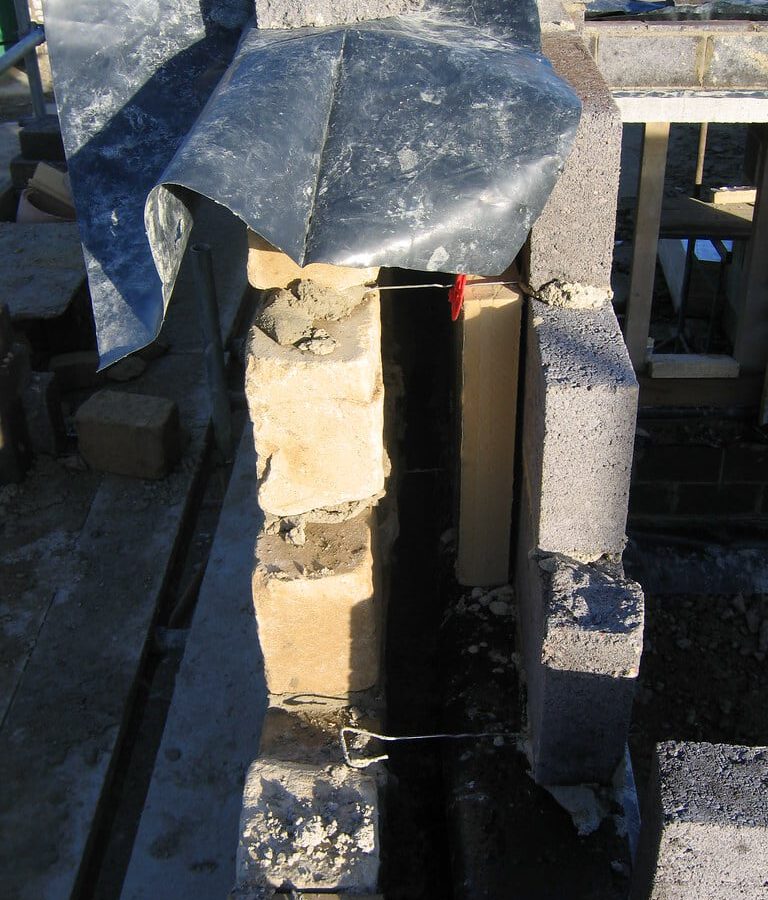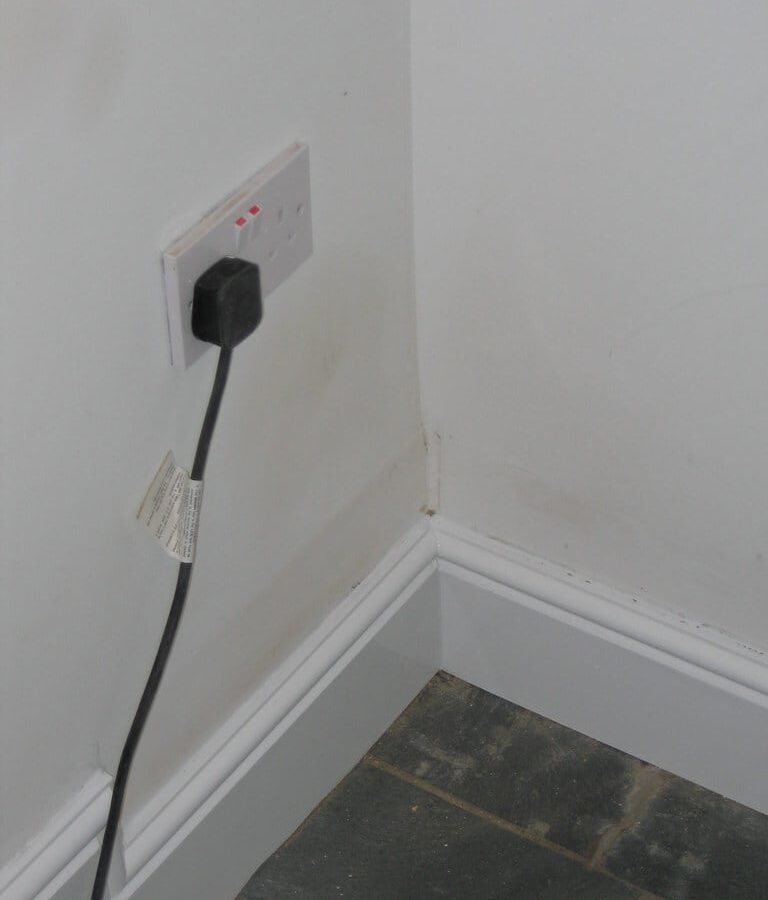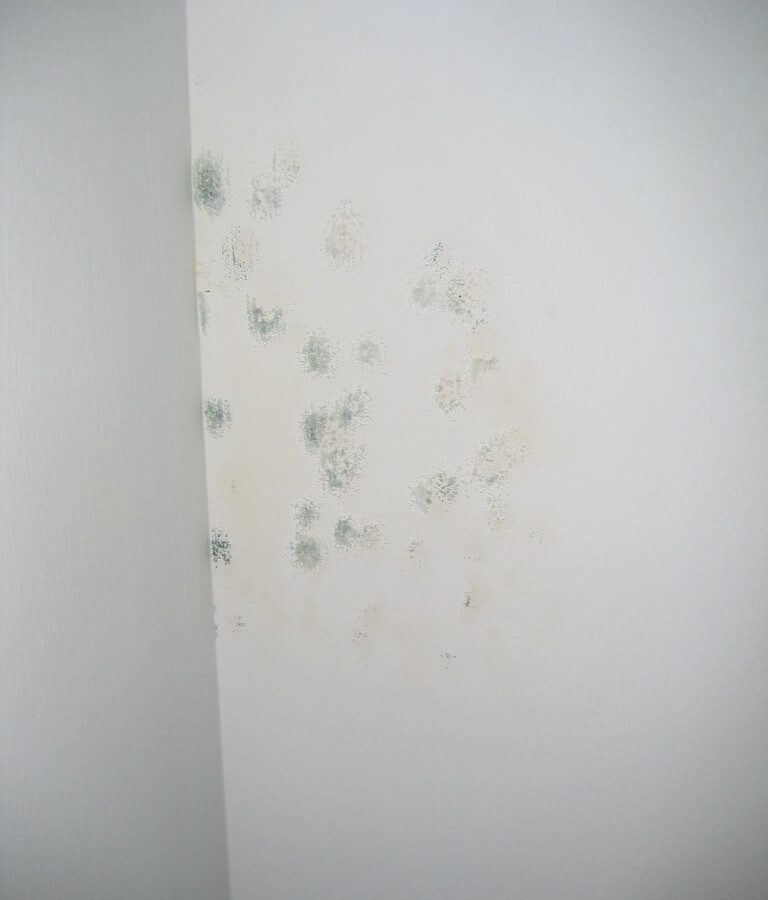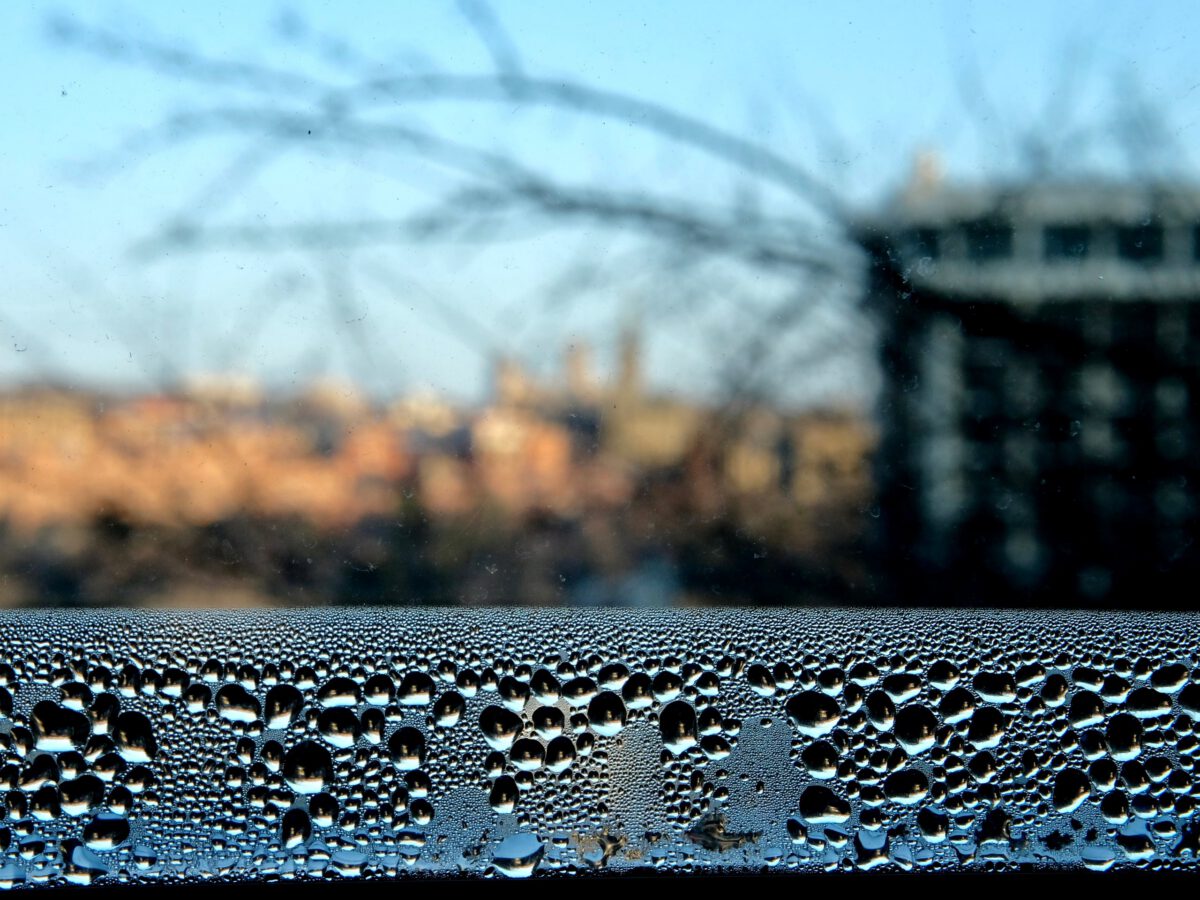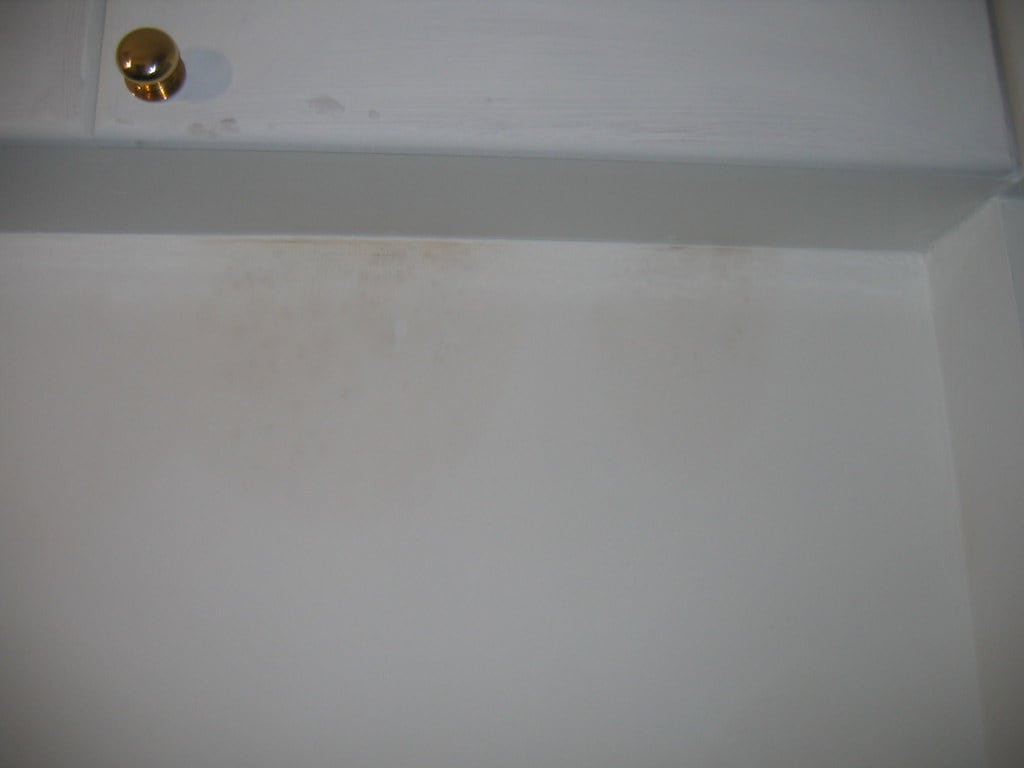
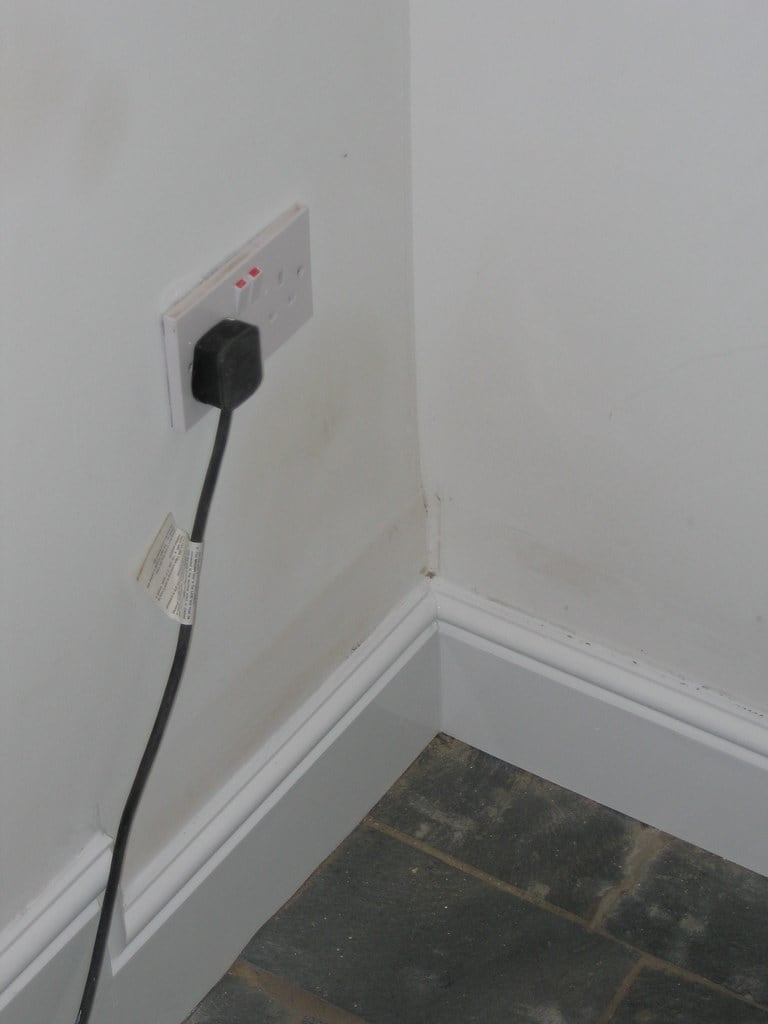
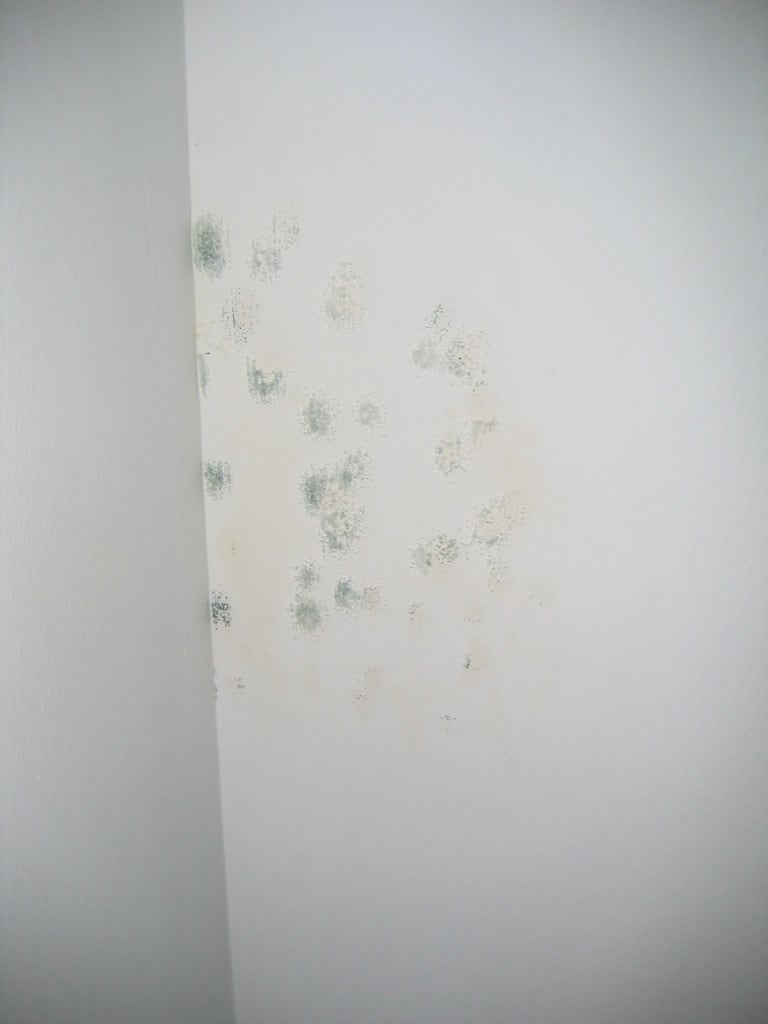
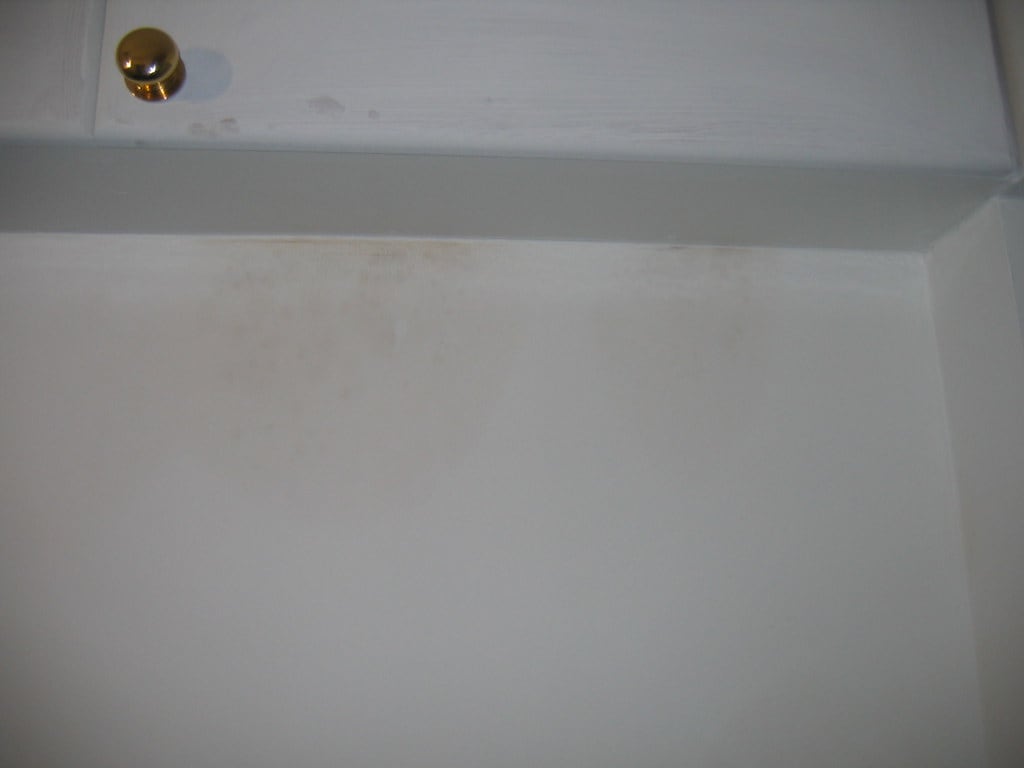
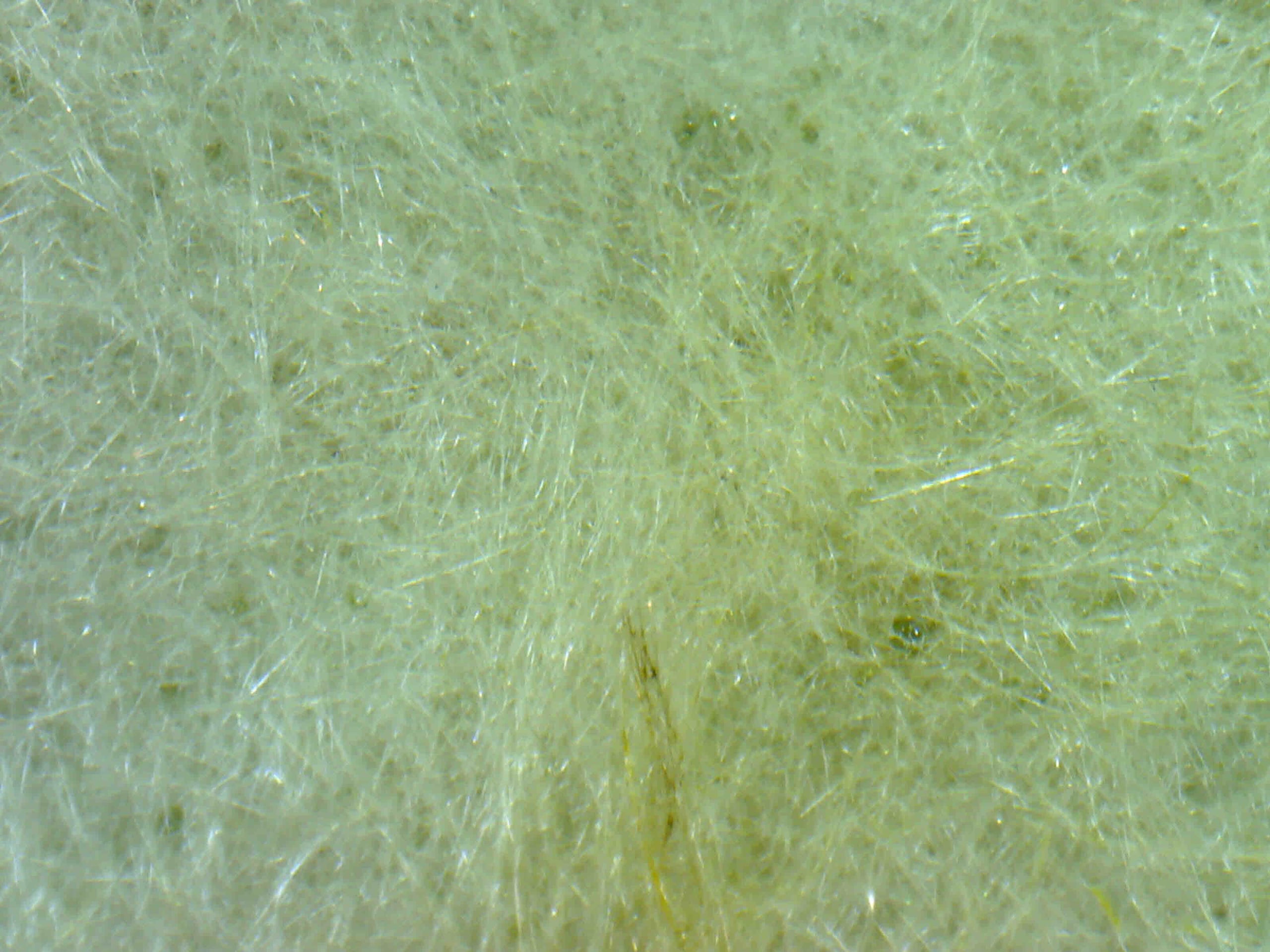
Inside a healthy insulated cavity, the fill stands full height, dry, touching both leaves. Inside a failed one, something has moved.
How fill gets wet in the first place
Rain drives against the outer leaf. Brick and mortar are porous, and on an exposed wall in a long wet spell the outer leaf becomes saturated right through.
Why it slumps
Wet wool weighs many times what dry wool weighs. Fibres that were fluffed to fill the cavity collapse under the weight, and the whole column drops.
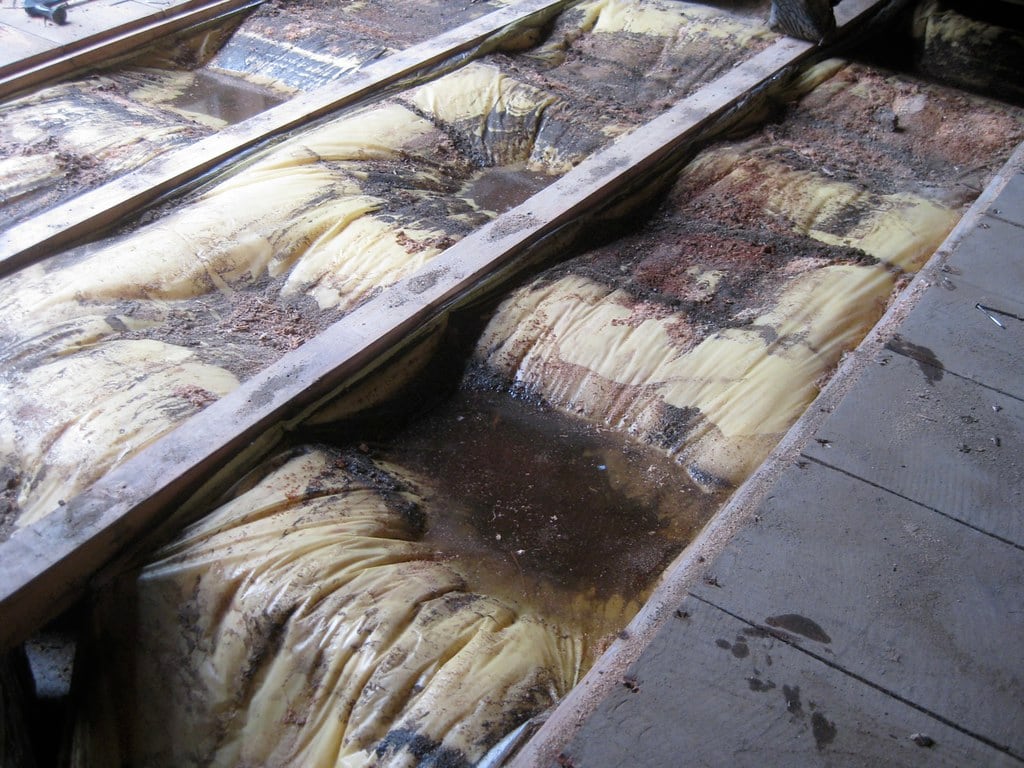
Why it does not dry on its own
A wet block of wool at the base of a cavity is sheltered from sun and wind, in contact with two masonry leaves that are themselves wet, in a climate where the next rain arrives before the last has evaporated. It stays wet.
What it means for the wall ties
Steel wall ties hold the two leaves together. In a cavity that stays dry they last a long time; in a wet one they corrode, and BRE notes that ties installed before the 1980s may already be at risk of failure from rust.
If your walls have been wet for a while and you suspect the fill, the sooner it is looked at the better. Book a free survey.