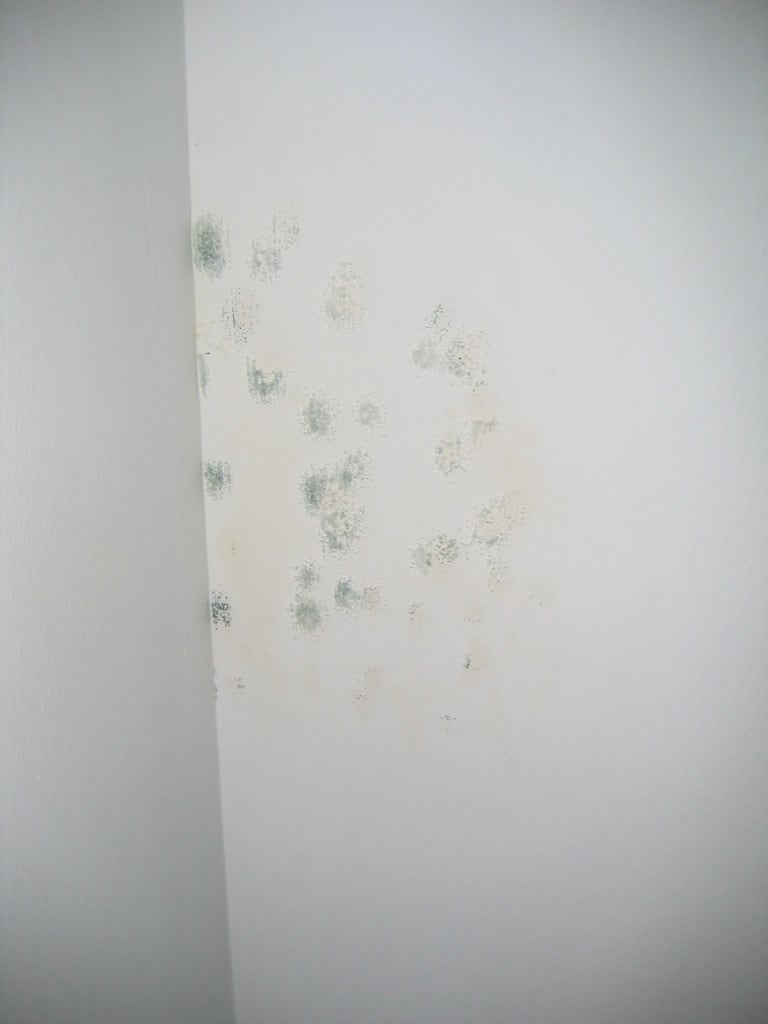
Once the cavity is clear and the wall is ready, you choose: we refill with thermal bead as part of the same job, or we leave the cavity clear. Where the survey says a wall should not be refilled, we say so. These are the routes a house can take.
Leaving the cavity clear
This is the wall as it was built, and for a house on an exposed site with a 50mm cavity it is what the building guidance would have specified. A clear cavity drains, dries and keeps rain off the inner leaf.
Bead re-insulation
Bonded polystyrene bead is what we refill with, and what the trade now uses for most retrofit work. It does not absorb water, it flows into awkward corners, and BRE’s research notes that saturation is less likely with bead than with blown wool, which is why BRE chose it for its own tests in severe exposure.
External wall insulation
Insulation boards fixed to the outside of the wall and rendered over. It takes the insulation out of the cavity altogether, keeps the rain off the brick, and is what Welsh retrofit guidance suggests considering where cavity fill is not suitable.

Internal wall insulation
Insulated plasterboard or a stud and board system on the inside face of the outside walls. It keeps the outside of the house as it is, can be done room by room, and suits terraces where the street elevation cannot change.
Deciding
The order that works is the one the trade keeps repeating: dry, diagnose, verify, then decide. Get the wall dry.
If you have had extraction and want a second opinion on what to do next, book a free survey.