Questions people ask when they suspect their walls but are not sure. For the detail behind the answers see the pages on damp patches, mould, cold spots and exposure.
My mortgage or sale is blocked because the cavity is filled. Does removal help?
It can. Lenders and surveyors flag filled cavities where the insulation has failed or the wall was never suitable. Removing it and making the wall good deals with the cause, and the completion certificate is the evidence you give the lender.
How do I know if my house has cavity wall insulation?
Look at the outside walls for a regular pattern of filled holes in the mortar joints, roughly a metre apart, often running in rows. That is the injection pattern. Paperwork from a sale or a guarantee certificate will name the installer and the material.
What are the first signs it has failed?
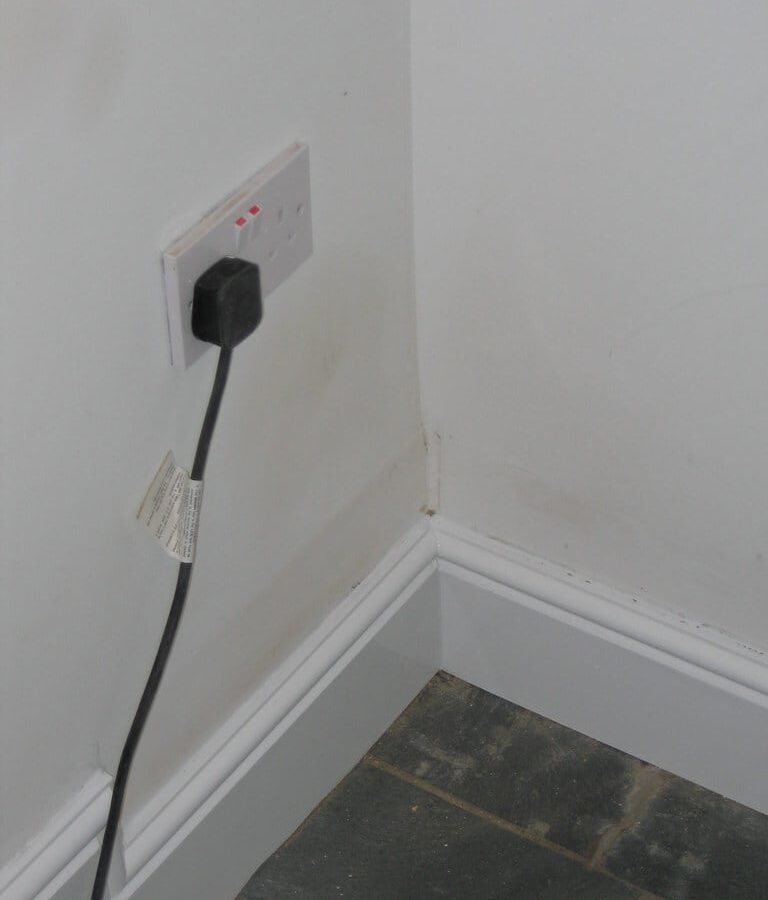
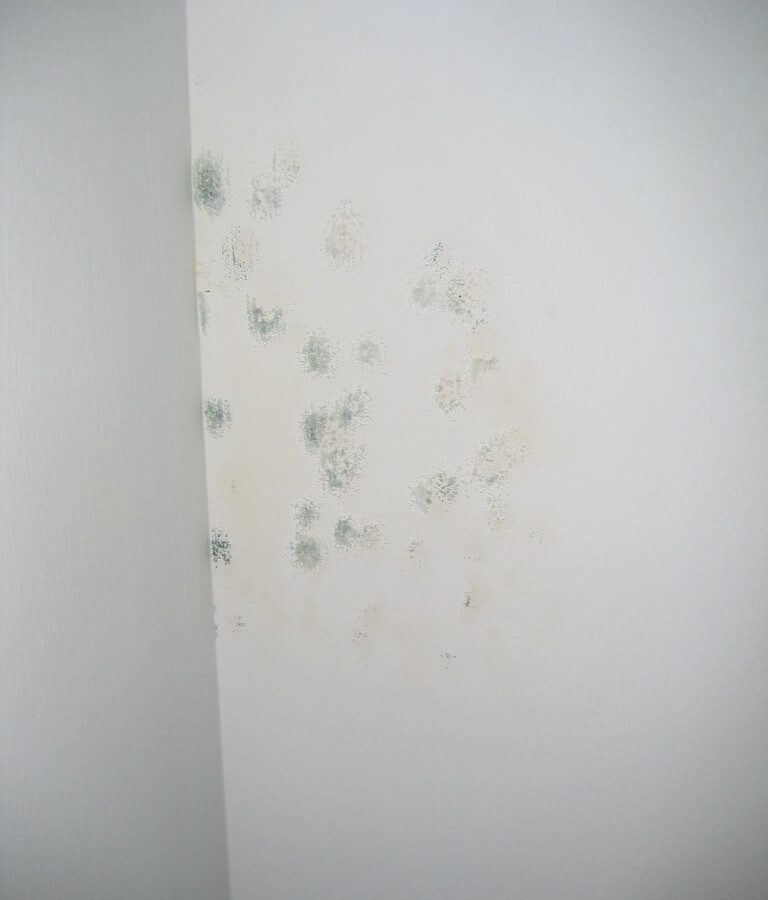
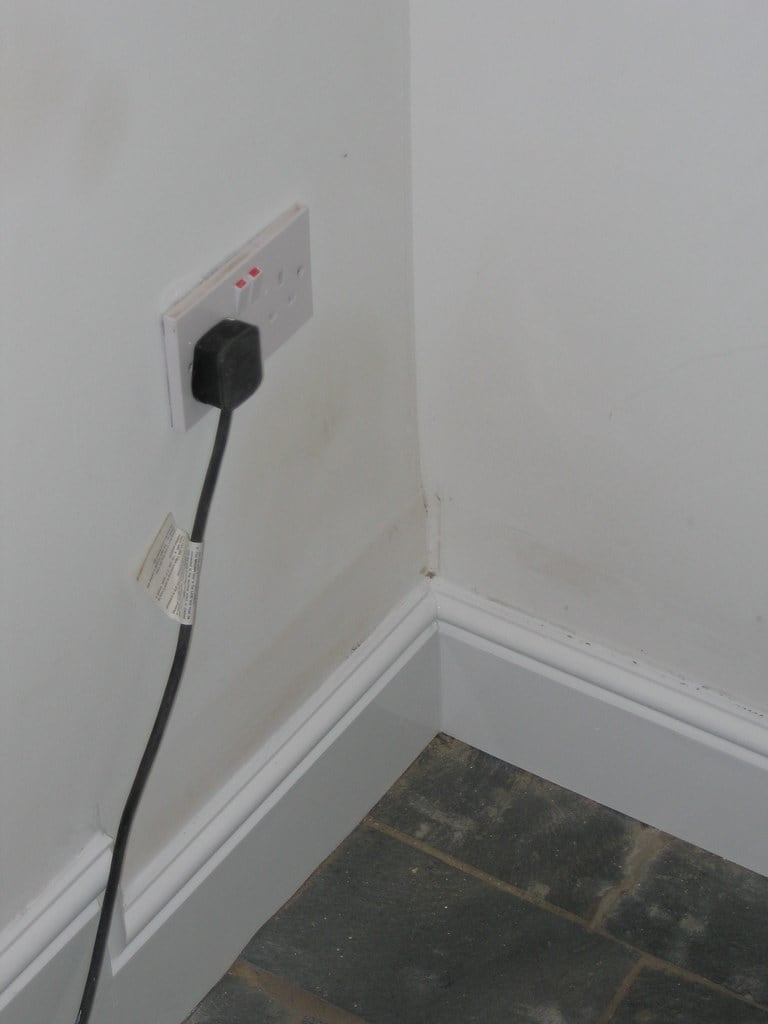
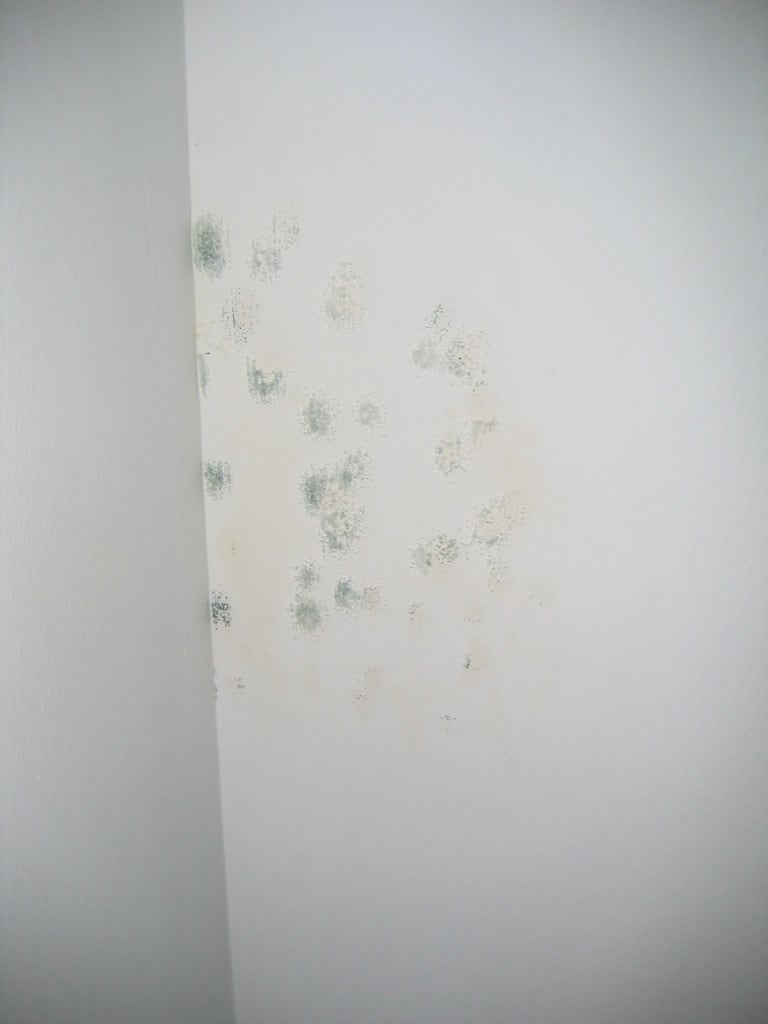
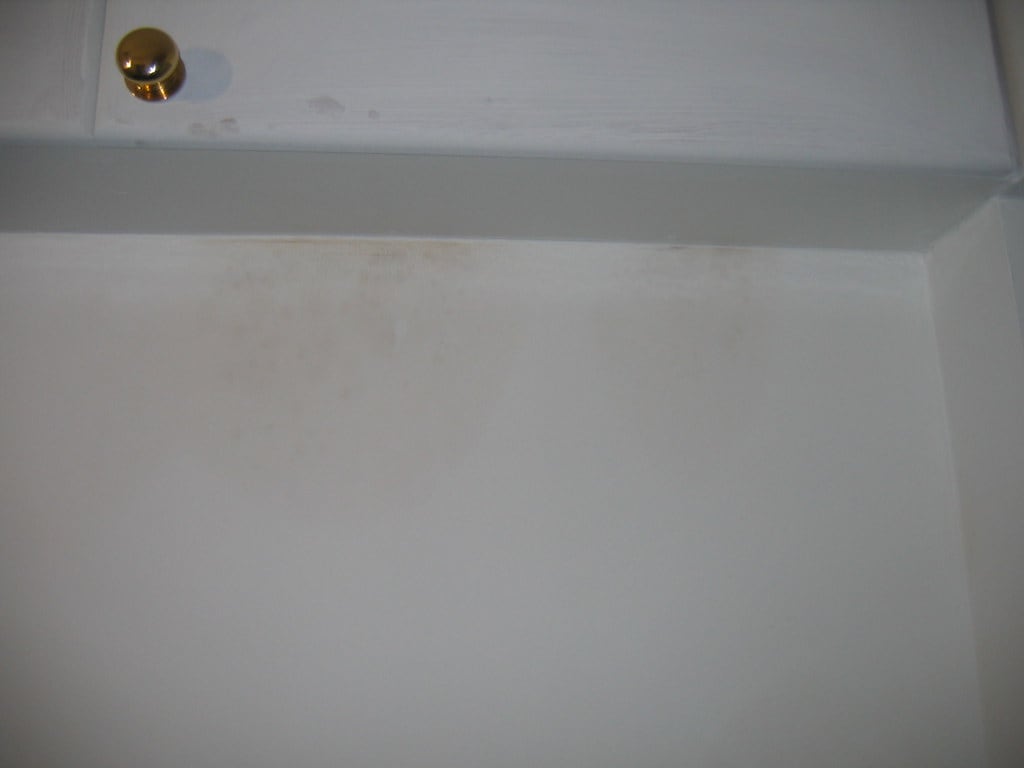
Cold patches on outside walls, then damp patches that follow the weather on the walls that face it, then mould in corners and reveals. Blistering paint, lifting wallpaper and a musty smell in one room are common. Rising heating bills without an obvious cause are another.
Could the damp be something else?
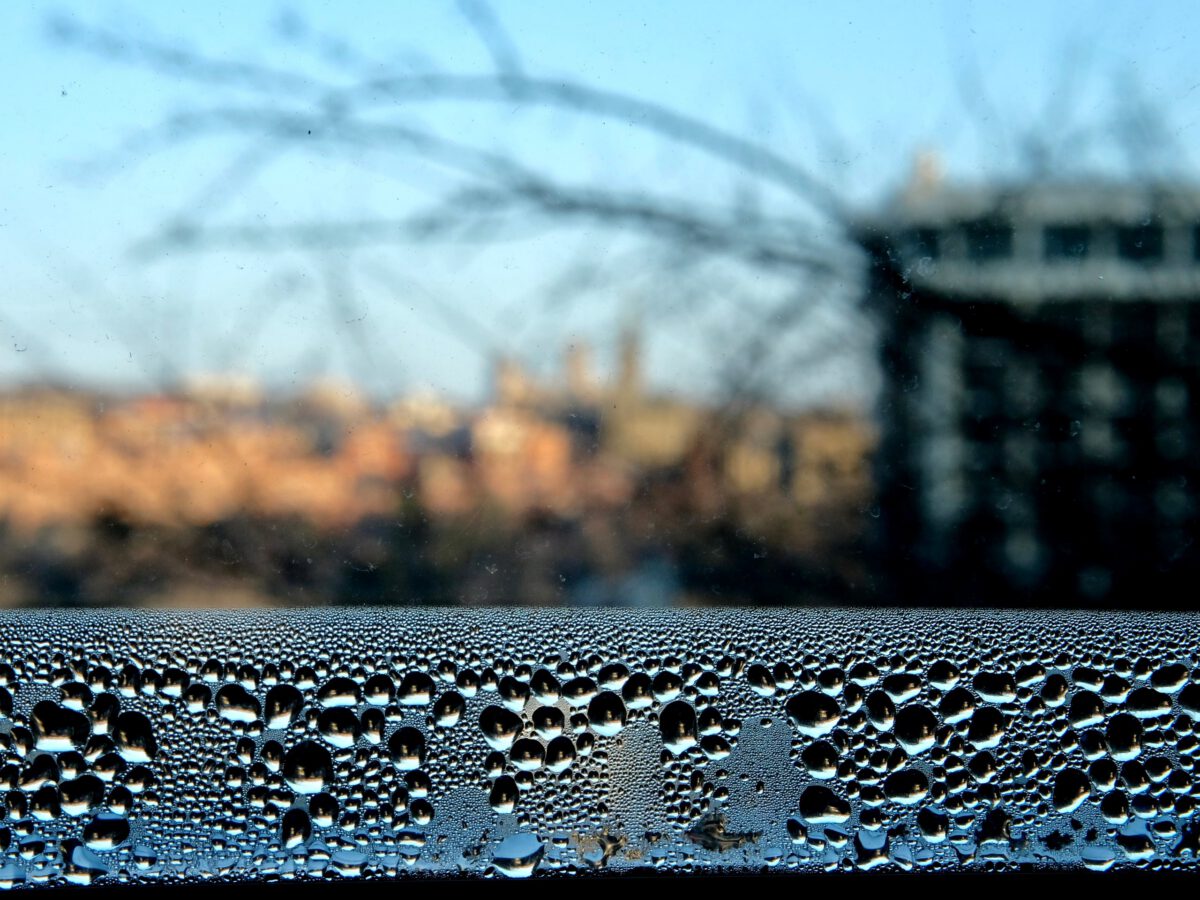
Often. Gutters, downpipes, pointing, render, cavity trays, ground levels and plain condensation all cause damp that gets blamed on insulation. A proper survey rules them out first, and if one of them is the cause we say so.
Why does it fail more in some parts of the country?
Exposure. The building guidance divides the UK into four zones for wind-driven rain, and the wetter western and northern parts of Britain, including most of Wales, the south-west, the north-west and western Scotland, sit in the higher zones. The guidance restricts filled 50mm cavities in those zones.
Will wet insulation dry out by itself?
On a sheltered wall in a dry year, sometimes. On an exposed wall in a severe or very severe zone, in our experience, no: the next wet spell arrives before the last has dried, and the fill stays wet year on year. The borescope shows the difference between fill that is drying and fill that has been sodden for years.
Does failed insulation damage the house?
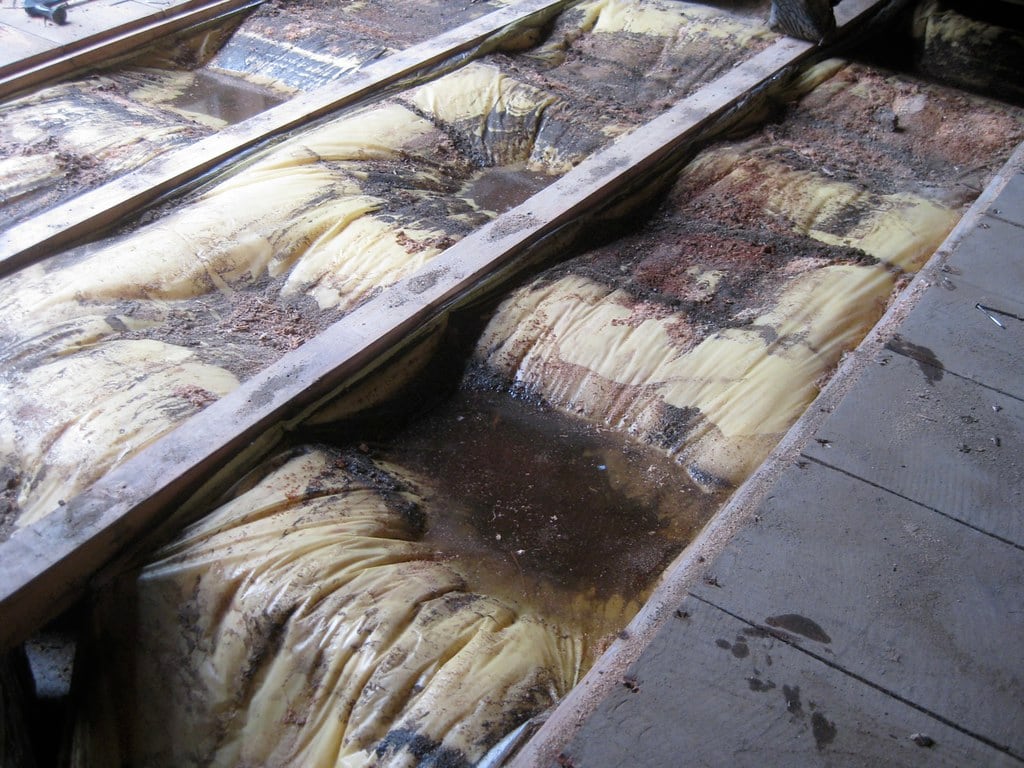
Over time it can. Wet fill keeps the inner leaf wet, which ruins plaster and decoration, and it keeps the steel wall ties wet, which rusts them. We check the ties whenever a wall is opened and tell you what we find.
My neighbour’s house is fine and it was done the same day. Why is mine wet?
Orientation and shelter. The gable that faces the prevailing wind takes many times the rain of the one that faces the neighbour. Two identical houses on the same street can sit in different exposure conditions.
Should I have the insulation removed straight away?
Not before a survey, and not before checking whether a guarantee covers it. If it has a CIGA guarantee and the fill is defective, the guarantee should put it right without charge to you. Read the CIGA guarantee claims page first.
What does the survey involve?
An outside walk round, moisture readings inside, a borescope through the mortar joints, and a thermal camera where cold spots are the issue. Then a quote with the photographs. It is free.
How fast will I hear back?
We reply within one working day to arrange a free survey and quote.