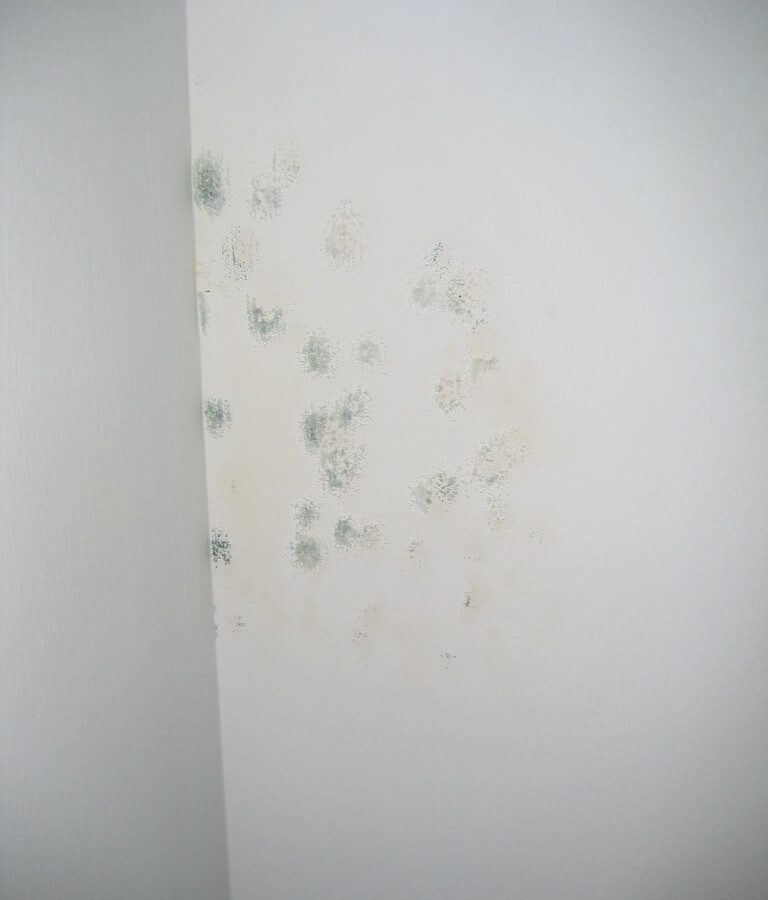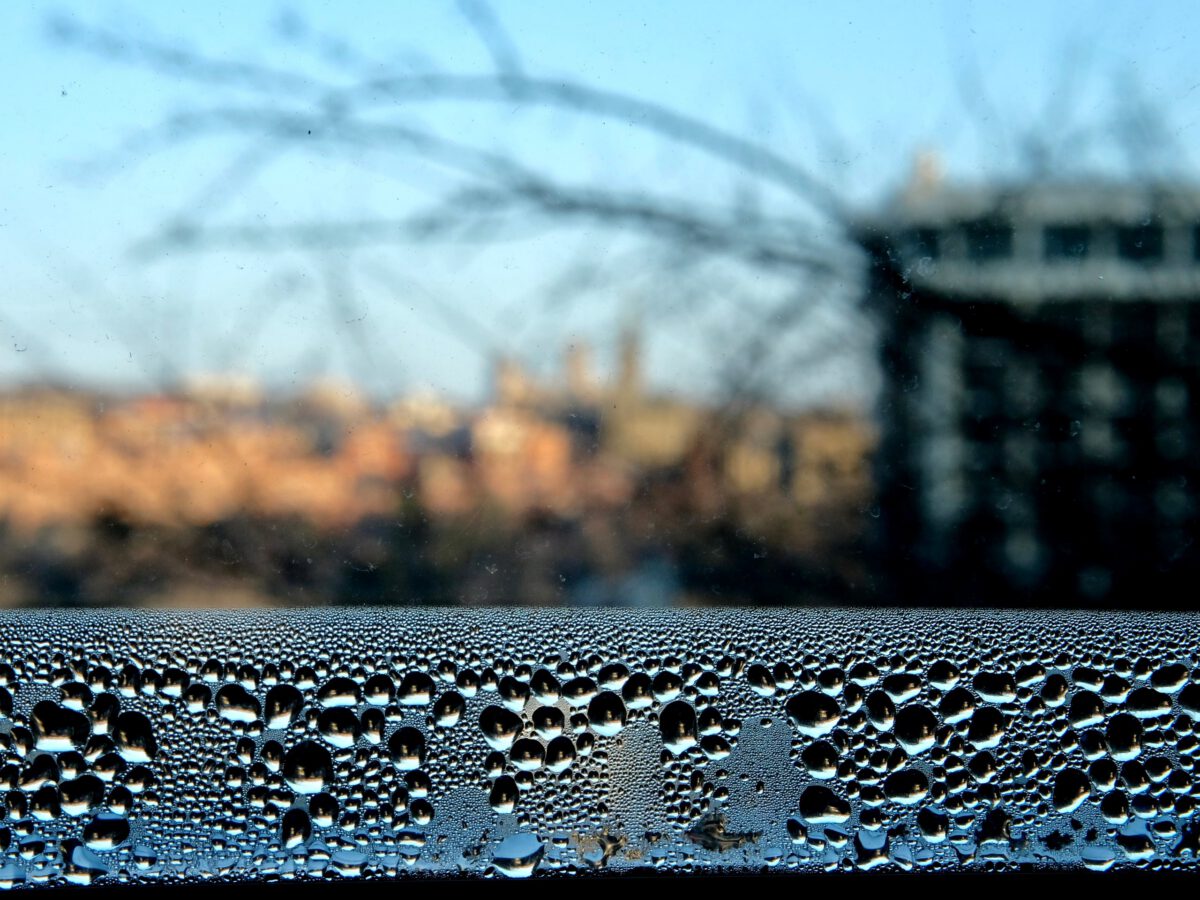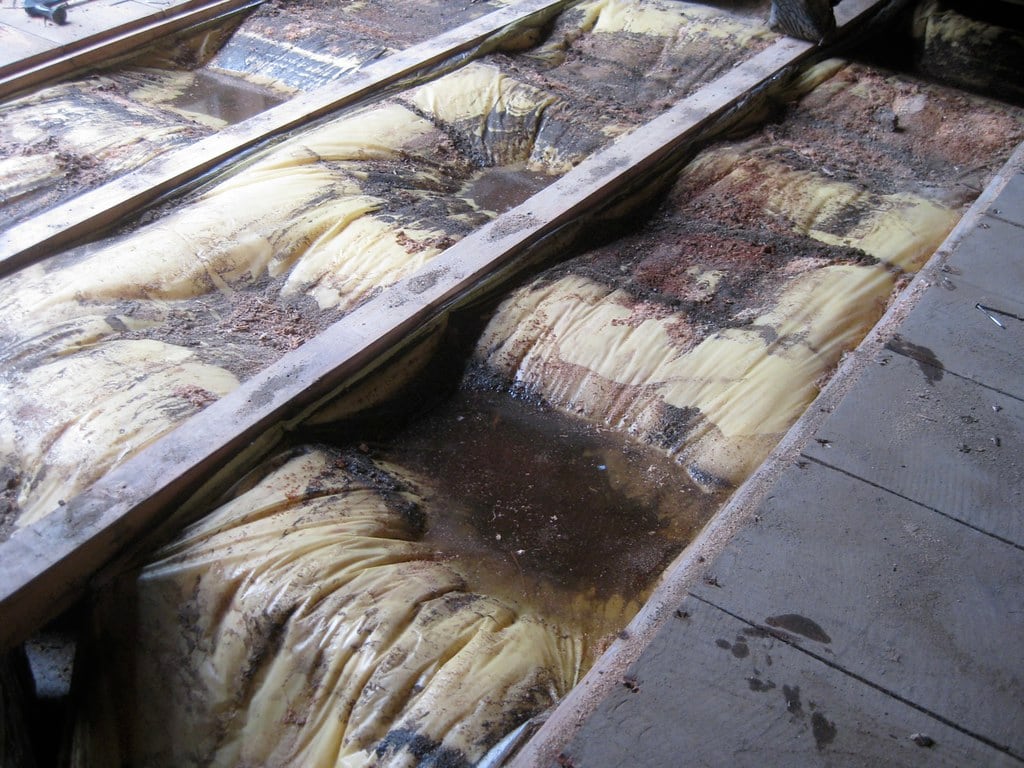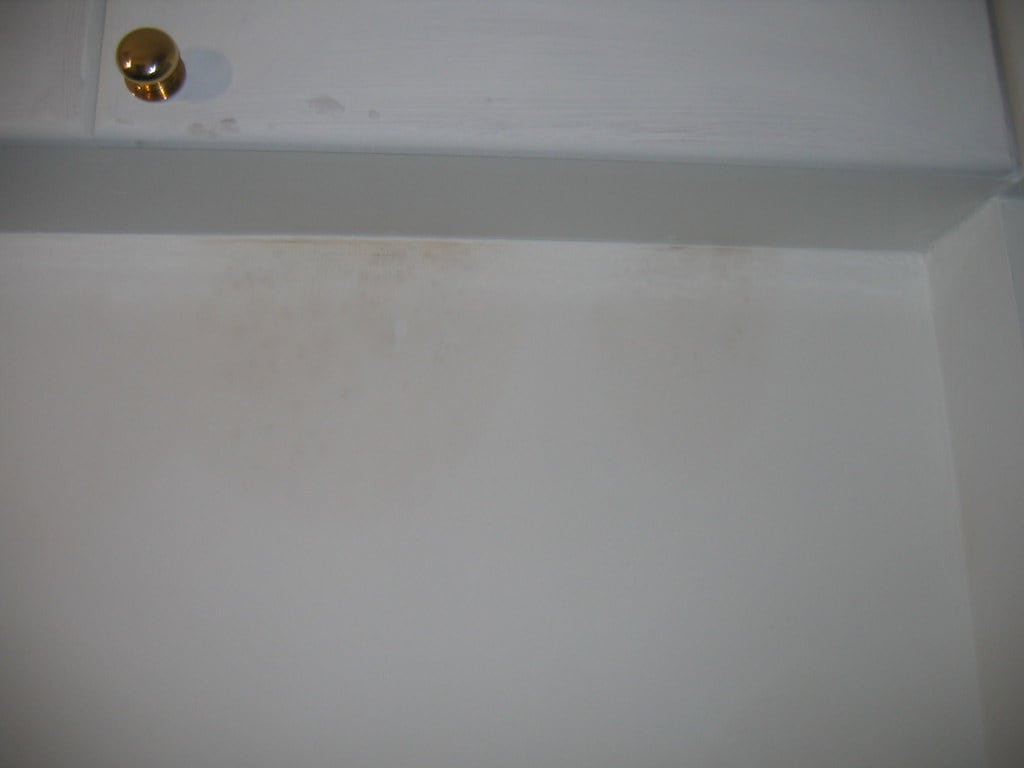
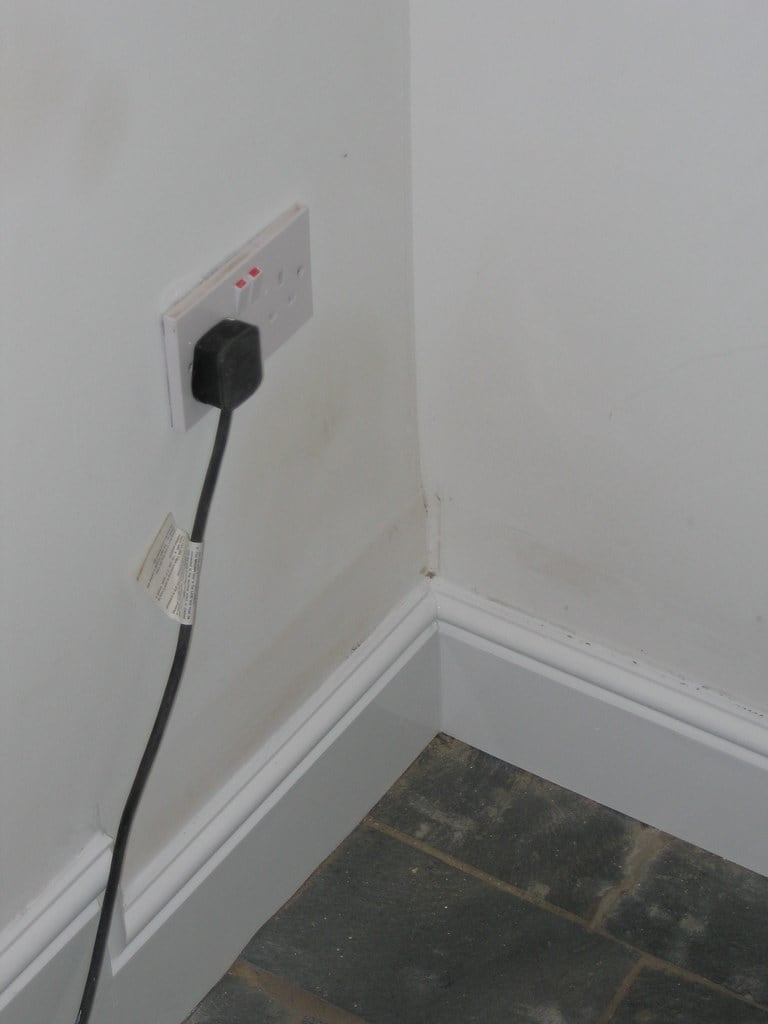
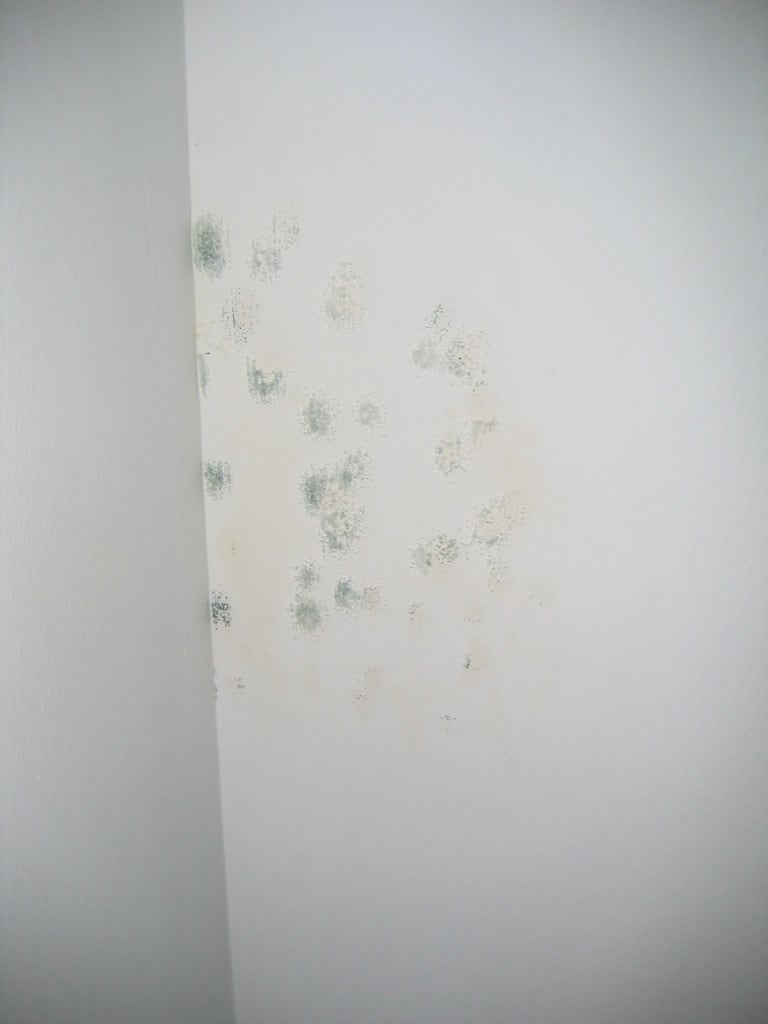
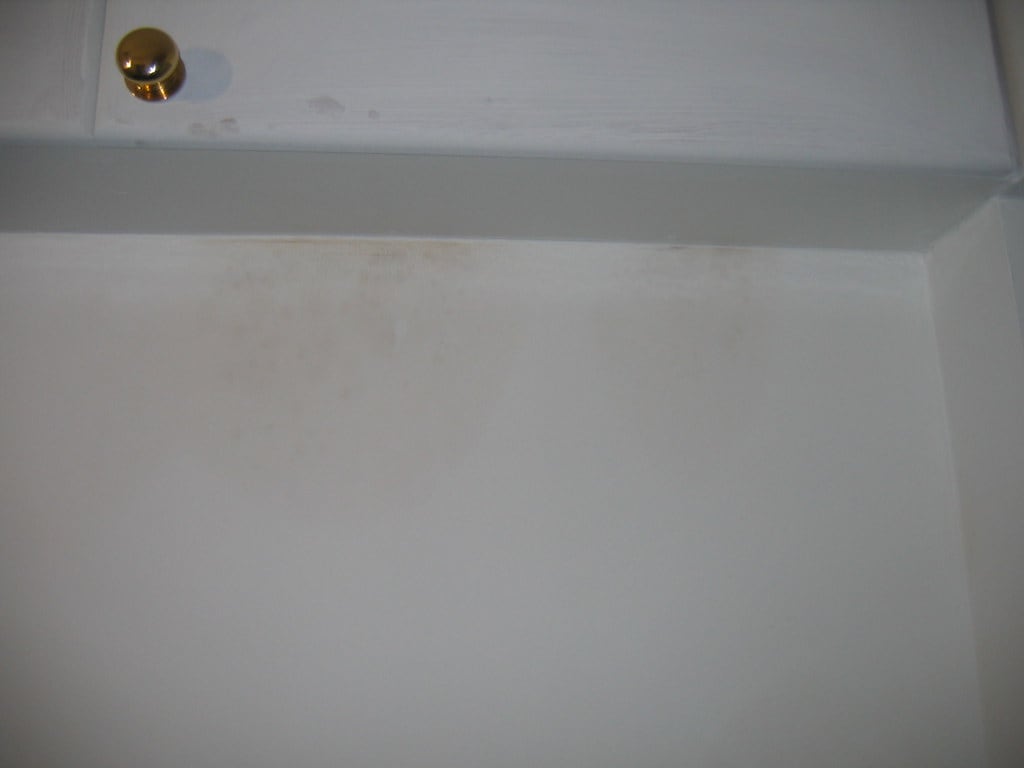
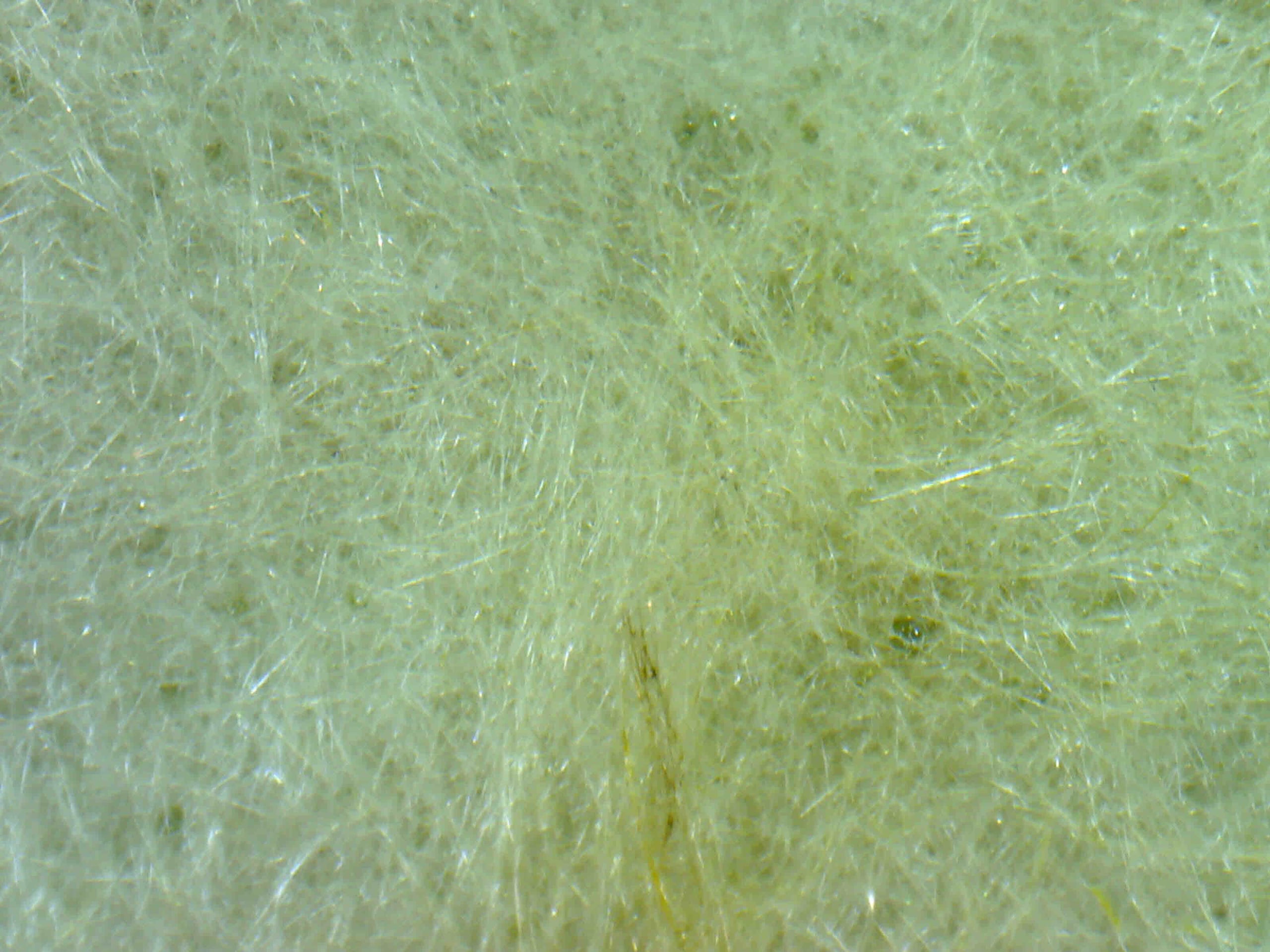
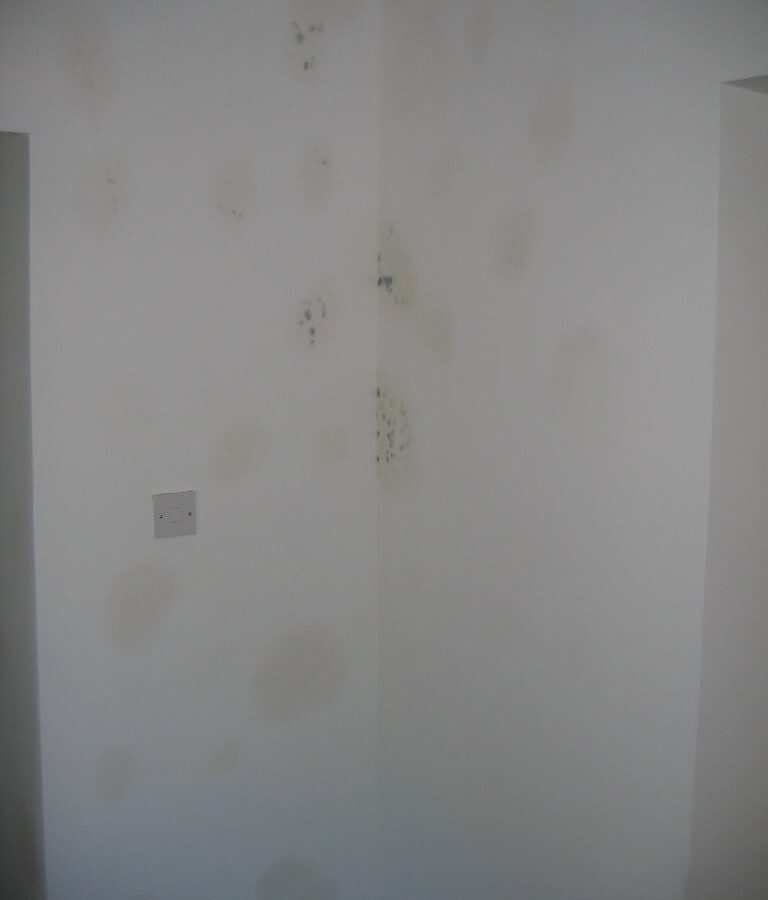
The classic sign is a patch on an inside wall that has no obvious source. It is not under a window, not beside a pipe, not at the bottom of the wall where rising damp would sit.
What the patch usually looks like
- Irregular, often at mid-height or high on the wall, sometimes in a band below a window where slumped fill has piled up
- Worse on south-west and west-facing walls, which take most of the driving rain
- Paint that blisters or flakes, wallpaper that lifts at the seams, a tide mark that moves with the seasons
- White, powdery salts on the surface where water has evaporated repeatedly
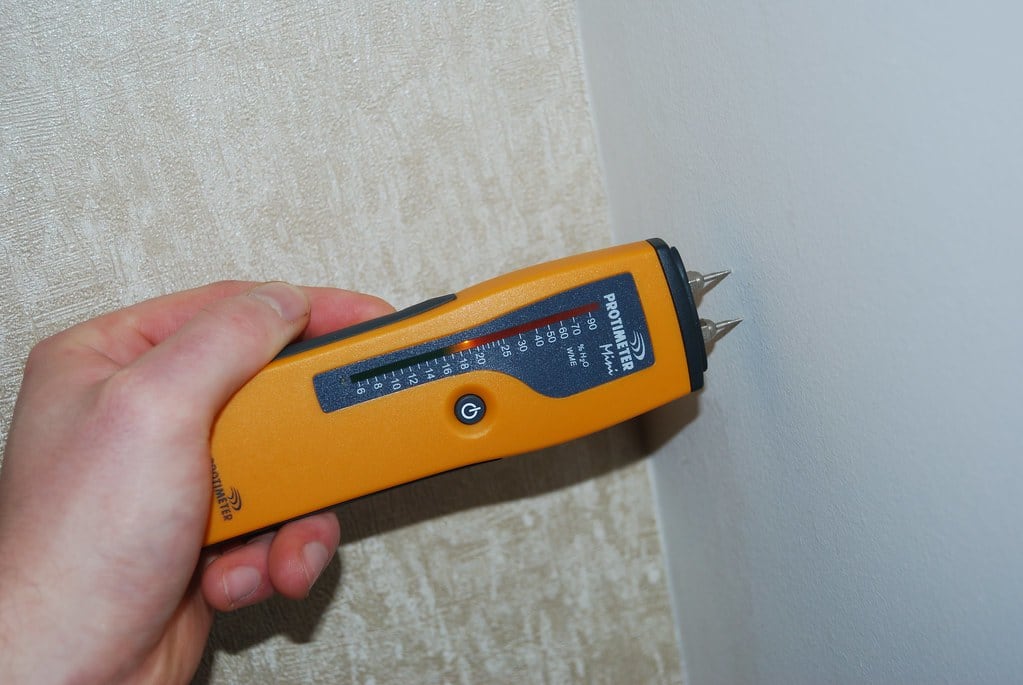
- Plaster that reads wet on a moisture meter across a wide area rather than in a neat line
What else it might be
Water in a wall has a handful of sources, and a proper survey rules them out in order. A blocked or leaking gutter soaks the wall head and shows up high on the wall.
How the survey finds the cause
We walk the outside first, looking at gutters, downpipes, pointing, render, sills, ground levels and vents. Then we take moisture readings on the inside wall in a grid, so the wet area is mapped rather than guessed.
What we would do about it
If the fill is the cause, the wet elevation is cleared by partial or full extraction, depending on what the other walls show. The wall then dries, slowly, and the plaster is repaired once it has.
A damp patch you cannot explain is reason enough for a survey. Book a free survey and we will find where the water is coming from.