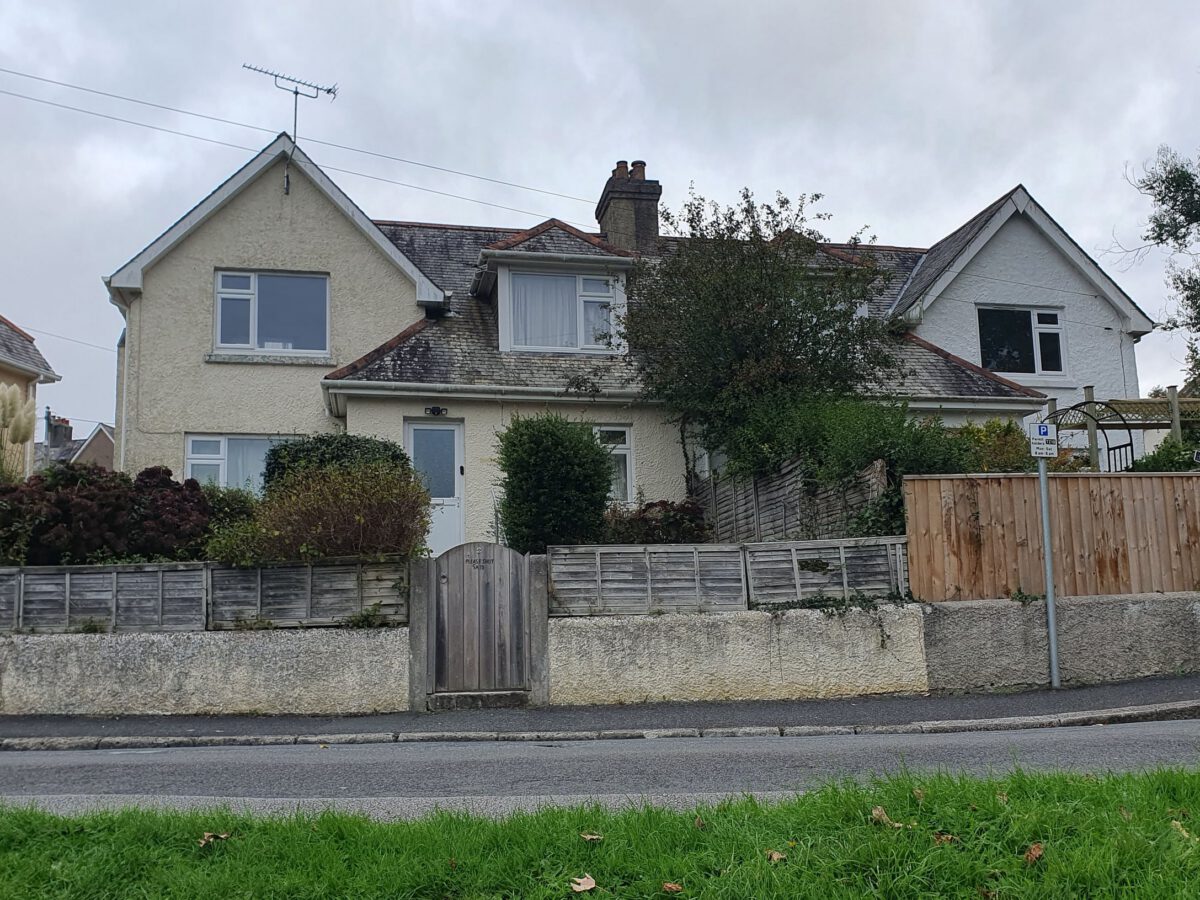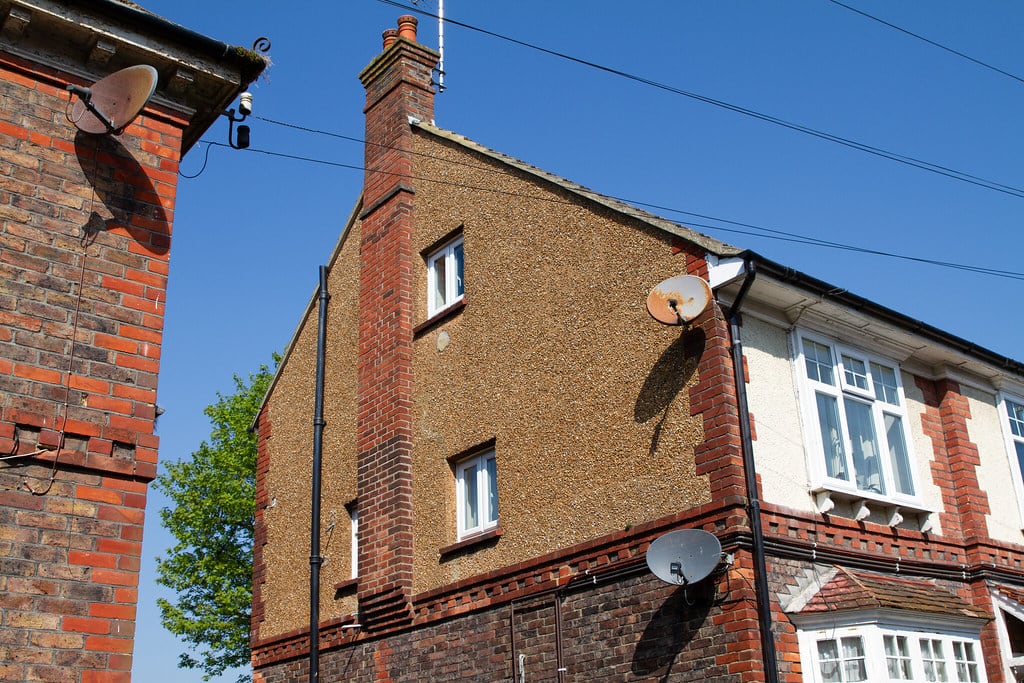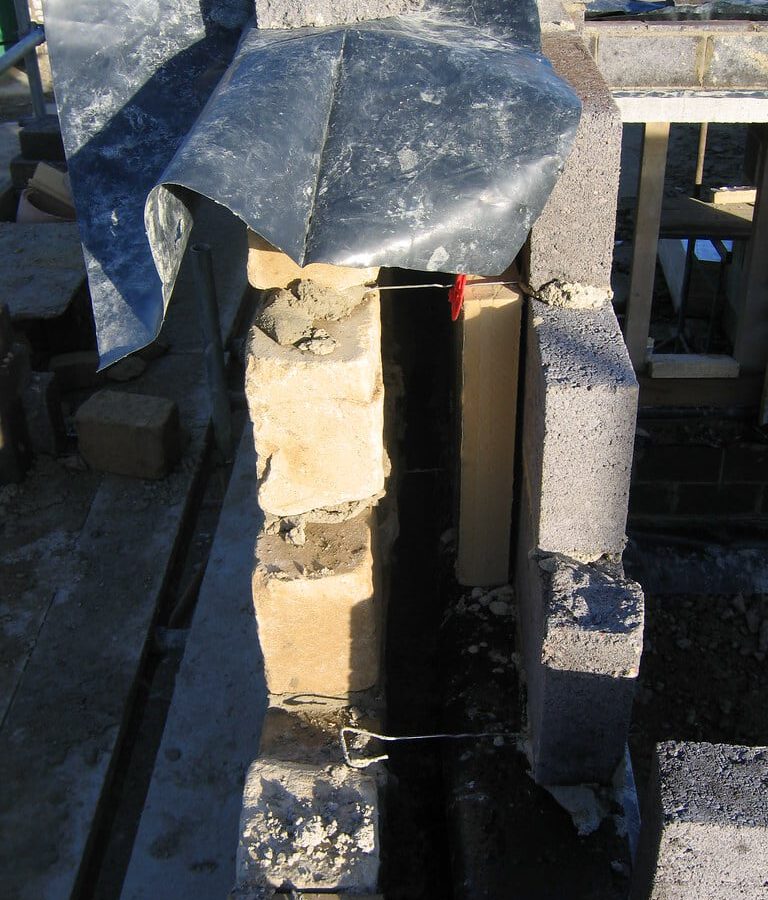
This page explains how extraction is priced, what the published guides say, and what moves the price up or down. We do not put a figure on a house before we have surveyed it, because the two things that decide the price, the material in the wall and how much of it is wet, are both inside the cavity.
If a lender or surveyor has flagged a filled cavity and a mortgage, remortgage or sale is stuck, removing the failed insulation may help, and the completion certificate is what you show the lender.
How extraction is priced
Extraction is priced by the area of wall to be cleared, adjusted for the material and the access. The survey measures every elevation to be treated, the borescope tells us what is in there and how badly it has failed, and the quotation is for that wall area at a rate that reflects the material.

What the published guides say
Several UK price guides publish figures for extraction, and they do not entirely agree with each other. Taken together, in 2026:
- Per square metre of wall, the guides range from about £20 to £45. The Guild of Master Craftsmen’s guide gives £20 to £45; MyJobQuote gives £25 to £35; BookaBuilderUK gives £25 to £35 for a terrace rising to £30 to £45 for a detached house.
- For a whole mid-terrace house the guides give roughly £1,200 to £3,000.
- For a semi-detached house the spread is wider: MyJobQuote puts a typical semi at £1,500 to £2,800, BookaBuilderUK at £2,000 to £4,000, and one specialist’s guide puts a three-bedroom semi at £2,800 to £4,600.
- For a detached house, guides give £3,500 upwards, with £4,000 to £7,000 or more quoted for larger houses or difficult access.
Treat those as planning allowances, which is how the guides themselves describe them. They are national figures for extraction alone.
What changes the number
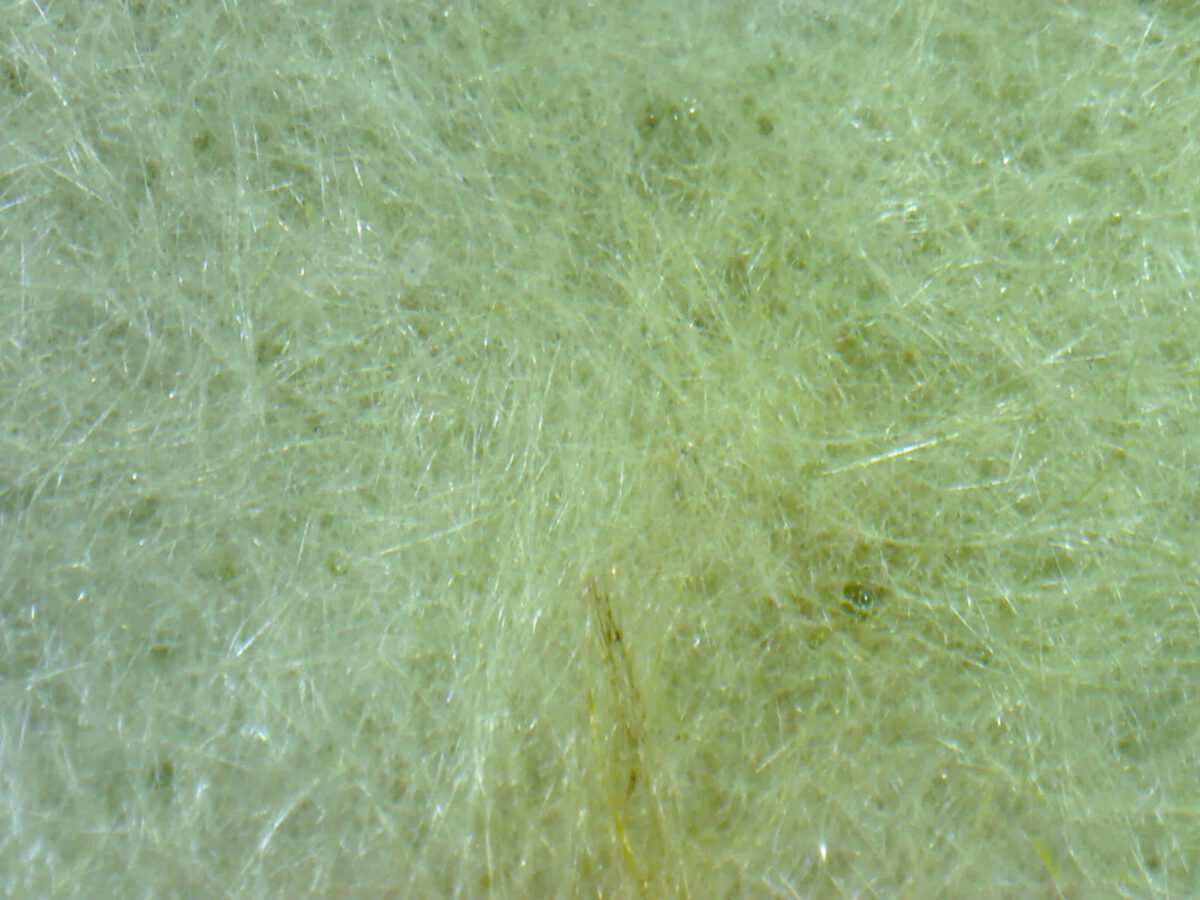
- Material. Loose mineral wool is the quickest to remove. Bonded bead takes longer. Urea formaldehyde and polyurethane foam take longest because they have to be broken up, and the guides consistently list foam as the dearest.
- How wet it is. Saturated, compacted fill at the base of a wall is slow going compared with dry fibre.
- Access. Ground-floor and first-floor walls reached from ladders or a tower are the norm. Three storeys, a steep drive or a conservatory against the wall can mean scaffold, which the guides put at several hundred pounds to a couple of thousand on top.
- Wall finish. Render or cladding over brick means more work at each extraction point and more making good.
- Partial or full. Clearing one wet elevation is a fraction of clearing the house. The survey says which you need.
What is not in an extraction price
Extraction quotes across the trade cover opening up, removal, disposal and making good the openings and holes. They do not normally cover replastering inside, redecoration, repairs to render, wall tie replacement or re-insulation.
Before you pay anyone
If the insulation was installed by a registered installer within the last 25 years, there may be a CIGA guarantee on it, and under that guarantee defective installations are put right without charge to you. Check before you spend your own money.
The survey is free and the quote is for your wall. Book a free survey.