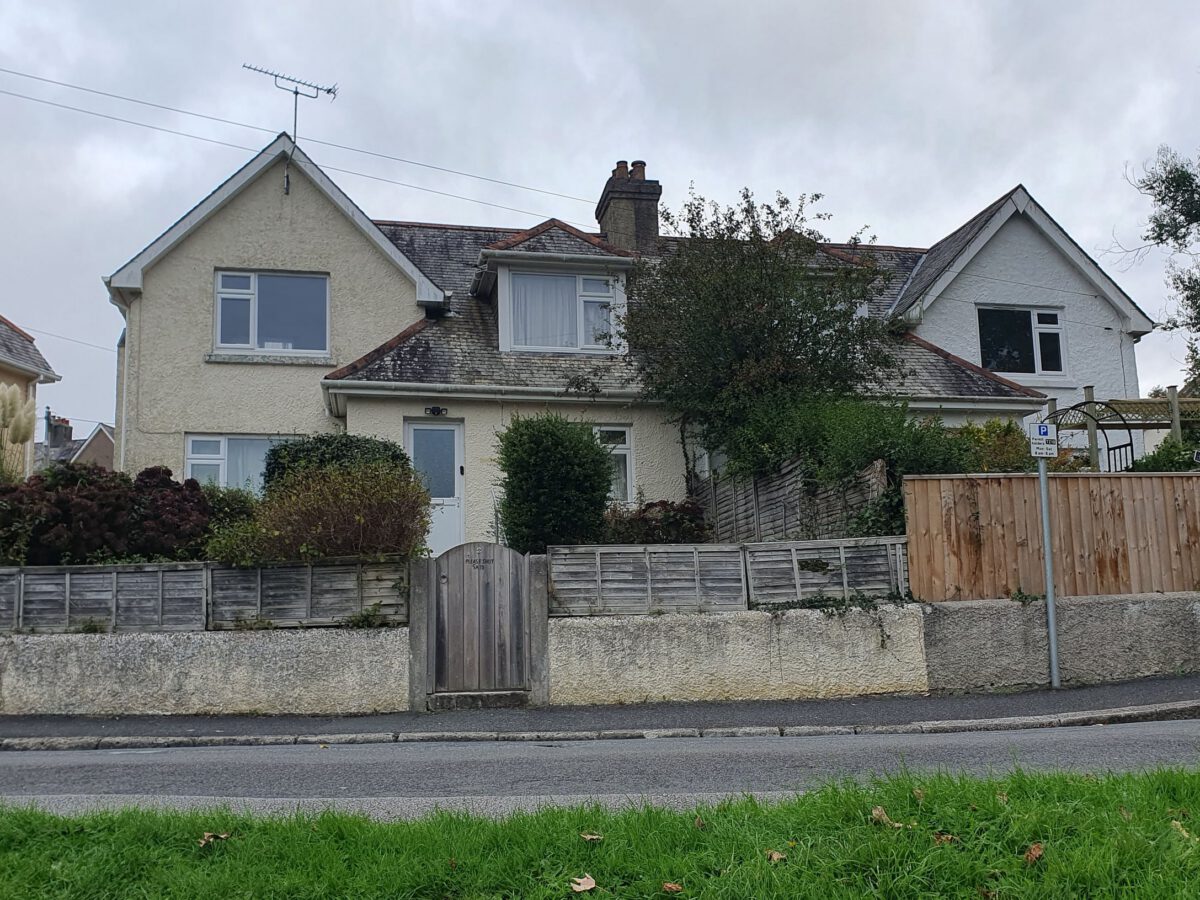
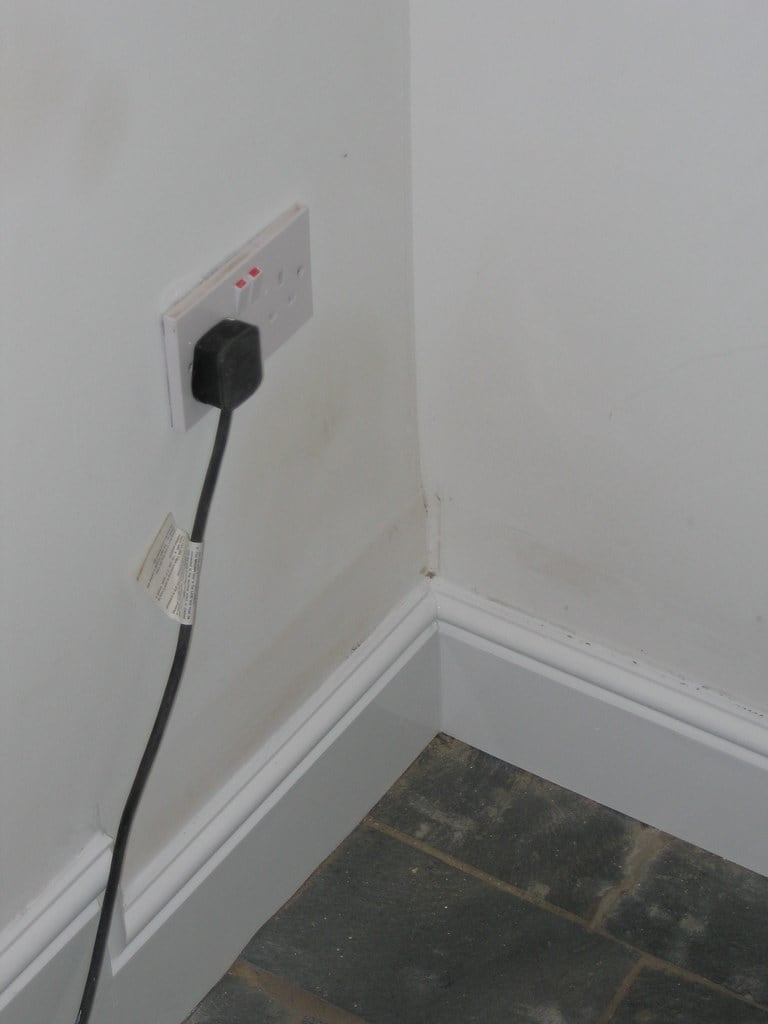
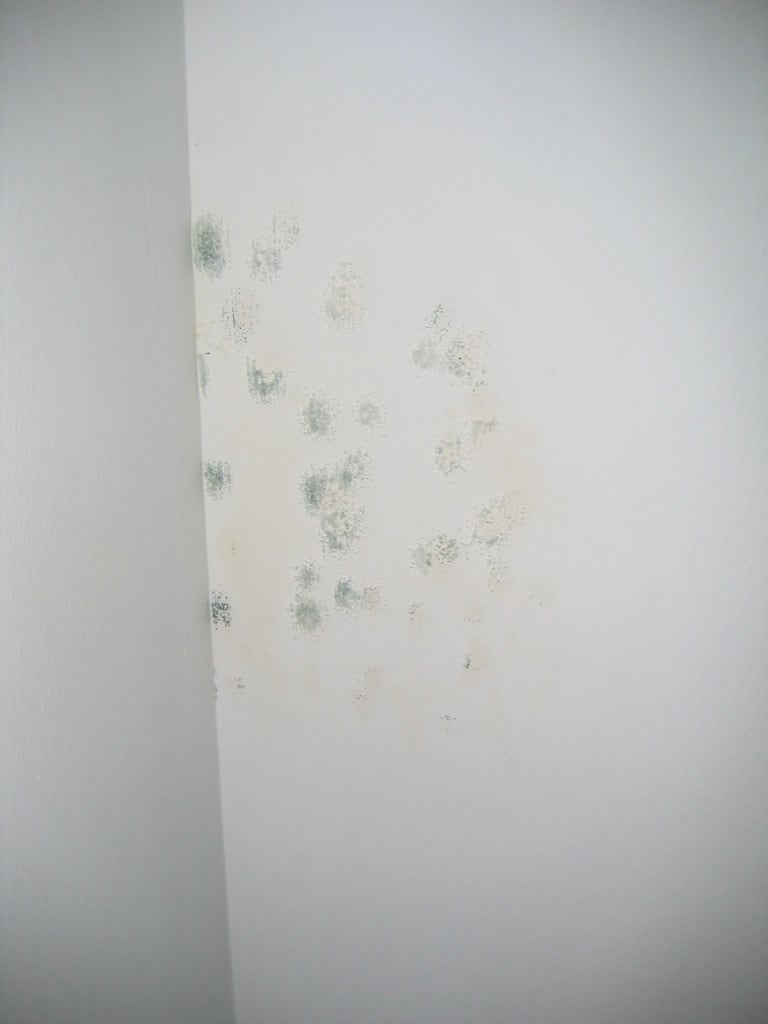
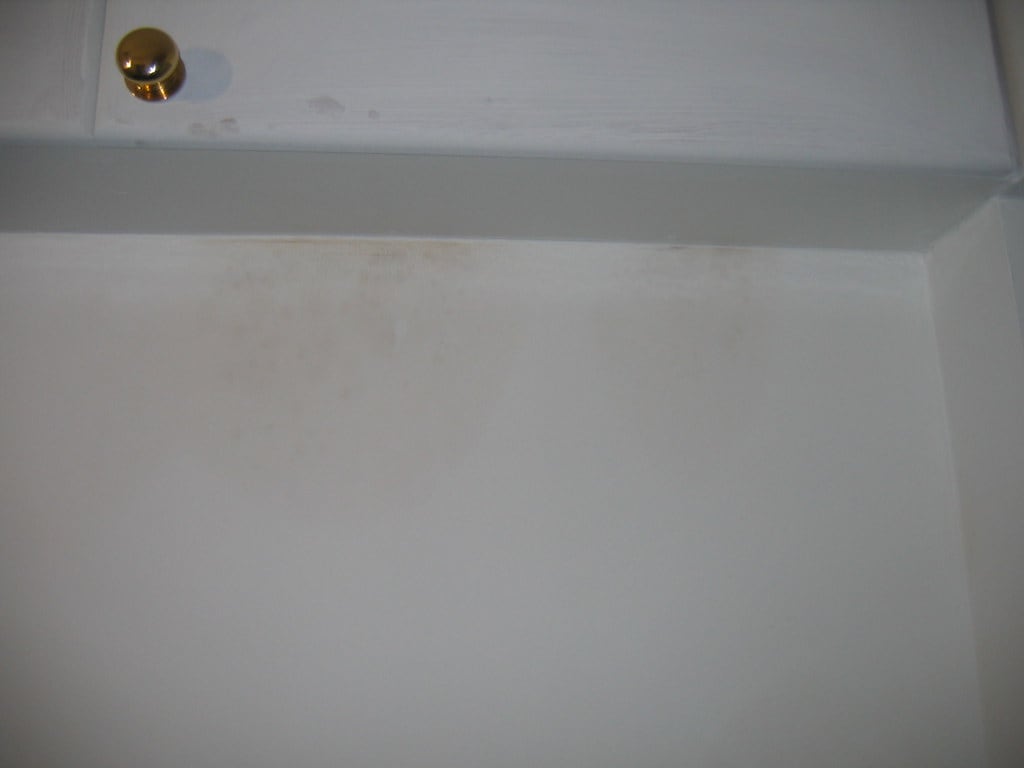
Not every failed installation has failed everywhere. Driven rain hits south-facing and west-facing walls hardest, so it is common to find a house whose front and side are dry and whose rear or gable is holding water.
Where partial extraction makes sense
- One elevation shows damp and the borescope confirms the fill on the others is dry and sound
- A gable end takes the weather and the rest of the house is sheltered by neighbours
- The wall below a run of windows is wet because sills and cavity trays are letting water onto the fill, and the fill below has slumped
- A porch, extension or bay was filled on a different day, with a different material, and is the only part misbehaving
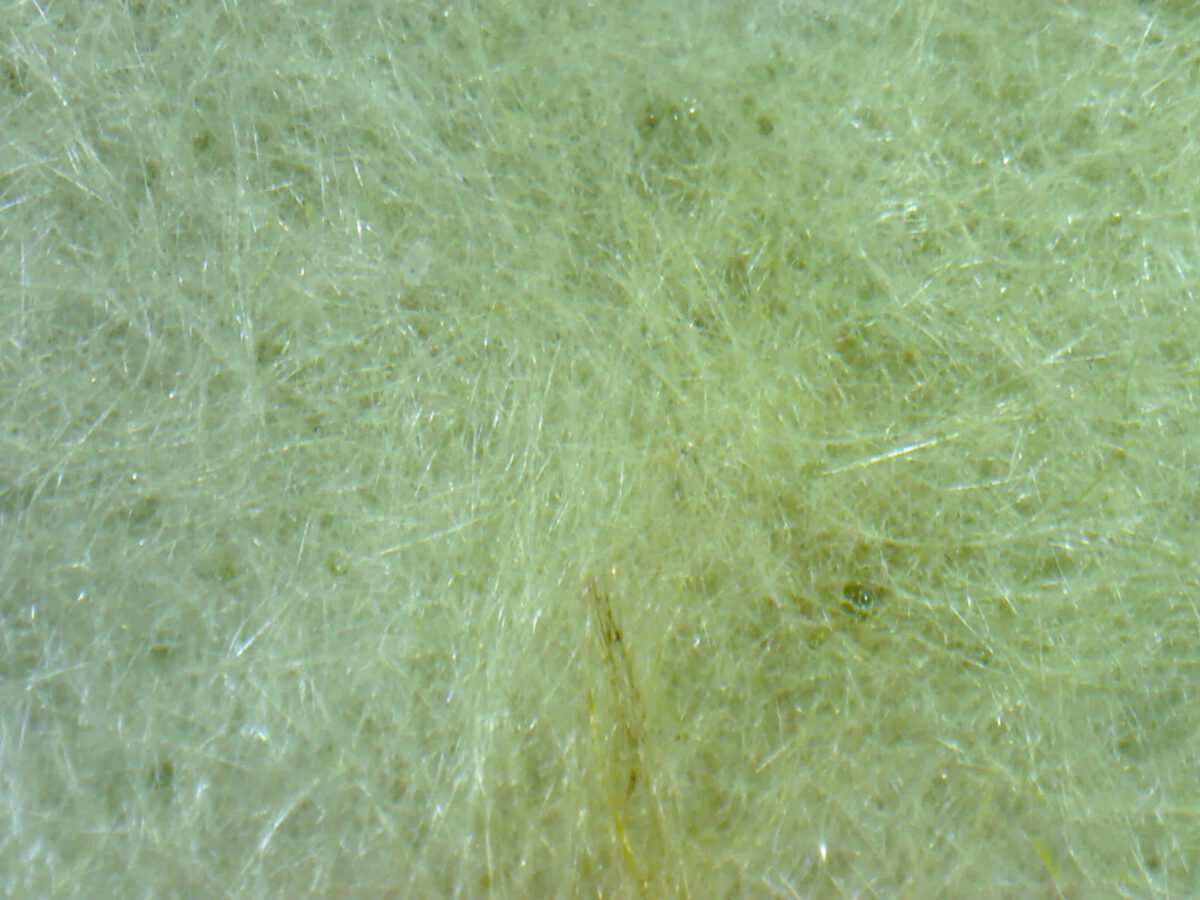
It does not make sense with foam that has bonded across the cavity, or where the cavity is too narrow to have taken fill safely in the first place. In those cases we say so and quote for the full job instead.
Where the cleared cavity meets the retained fill
Where cleared cavity meets retained fill, there is a boundary. Left alone, loose material migrates into the empty section, and the retained fill at the edge of the clear stretch can carry water sideways.
Cavity clearing without extraction
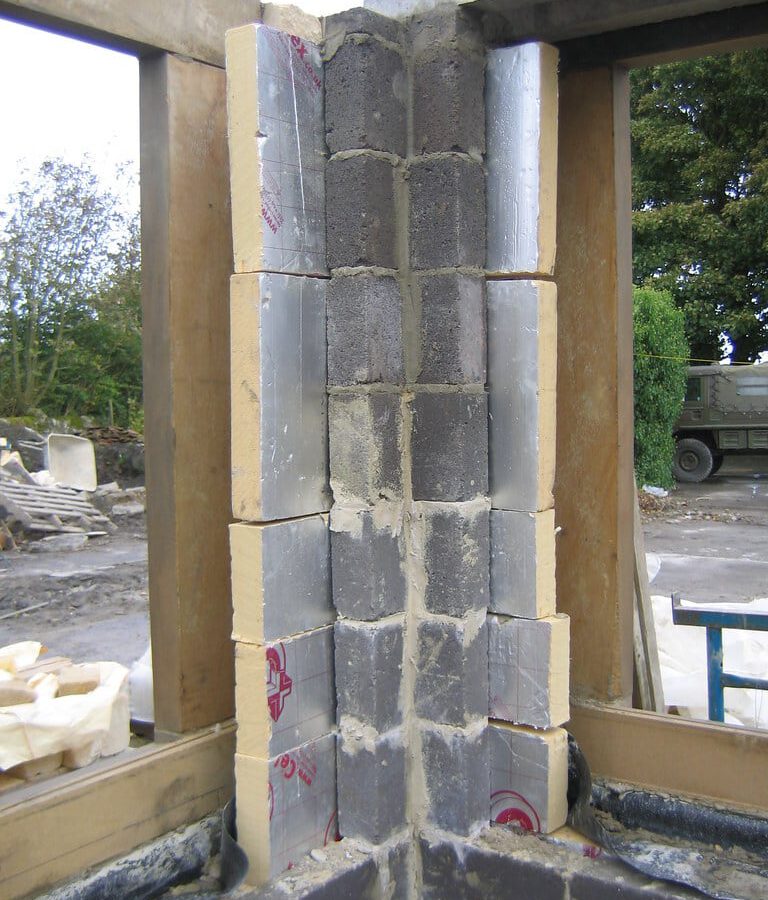
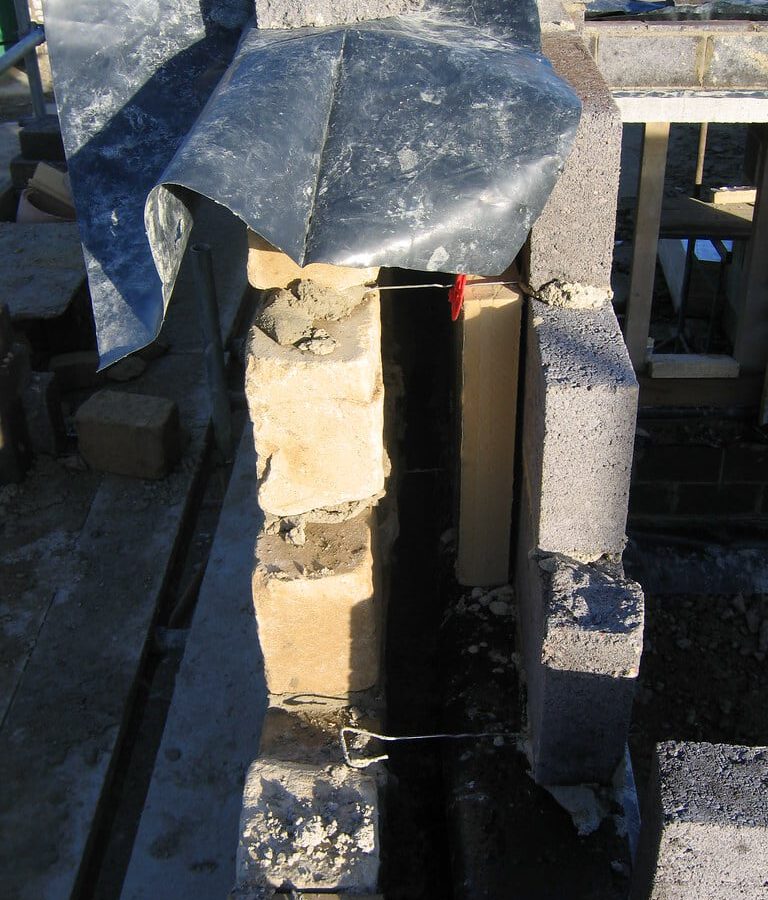
Sometimes the wall was never insulated, or was extracted years ago, and still bridges water because of what builders left in the bottom of the cavity. Mortar droppings, broken brick and offcuts pile up above the damp-proof course and give rain a path to the inner leaf.
Making good on a part-cleared house
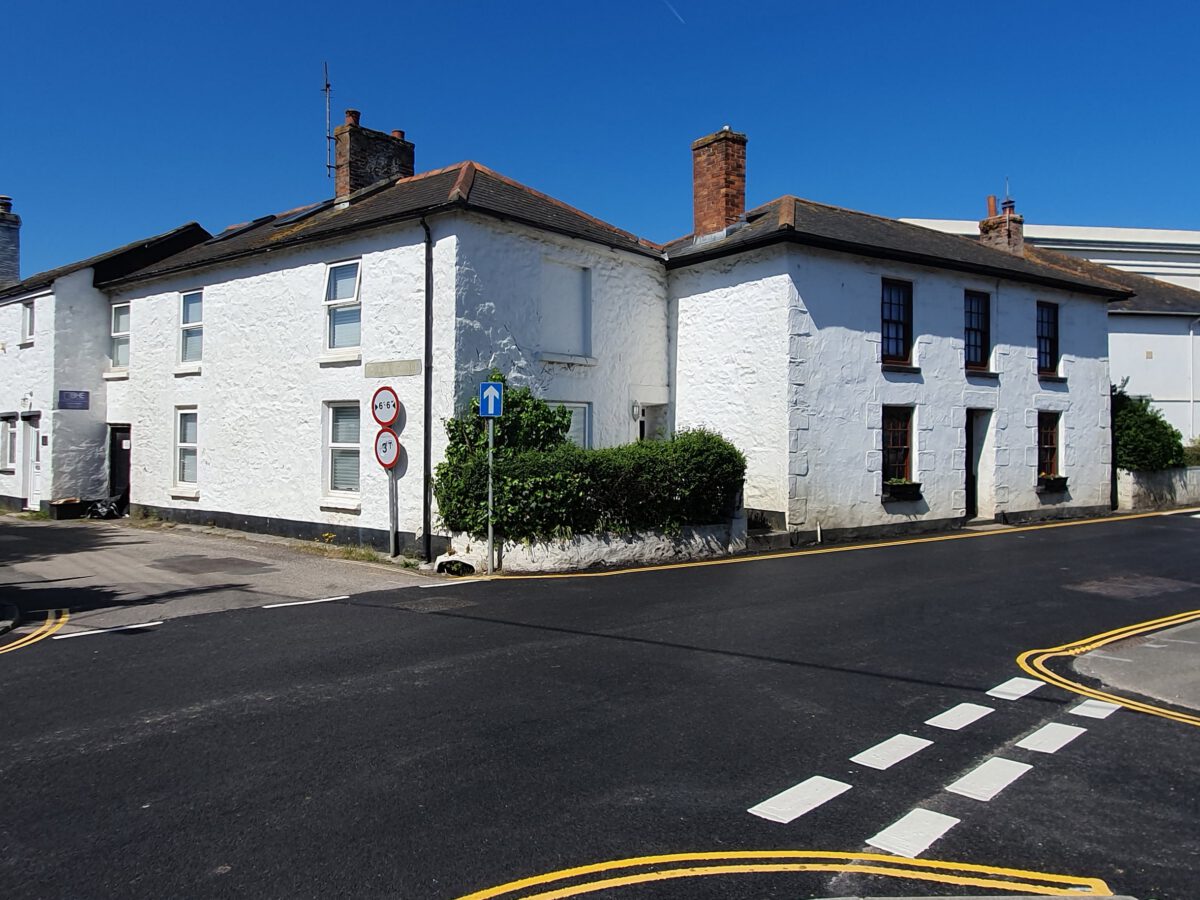
The bricks we take out go back in and the joints are pointed to match. On a partial job the aim is that nobody can tell from the road which elevation was opened.
If one wall of your house is wet and the rest is fine, tell us which one and we will start there. Book a free survey and the quote will say whether a partial clear is enough.