Put your hand on an outside wall on a cold day and move it around. An evenly insulated wall feels the same everywhere.
Why cold spots happen
- Slump. Mineral wool that has got wet compacts and drops, leaving the top of the wall empty. Unbonded bead settles the same way.
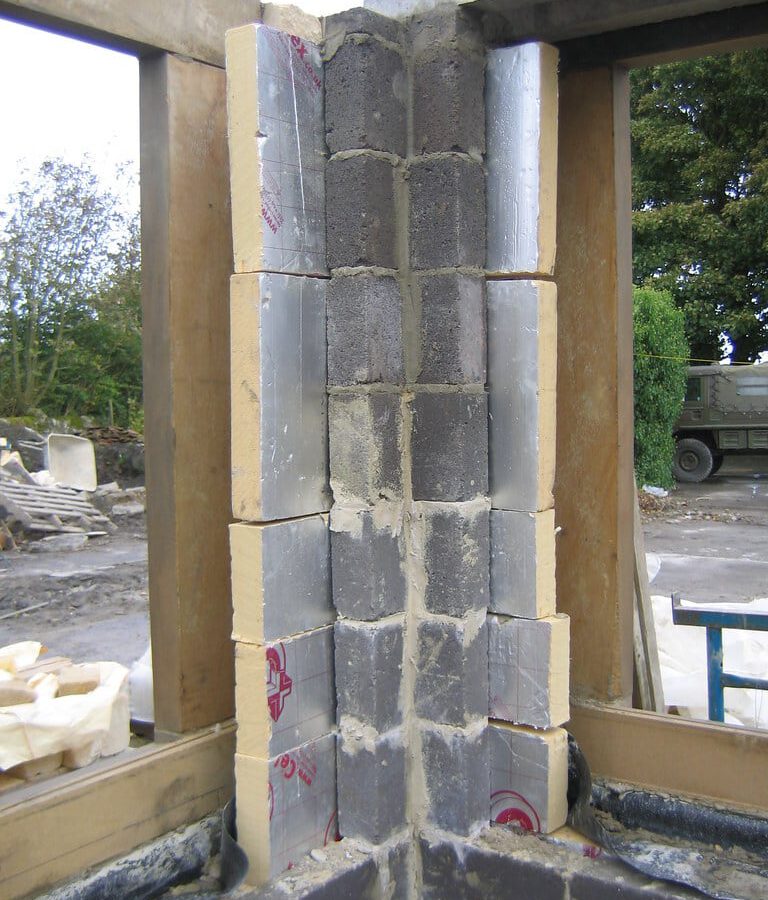
- Voids from installation. Fill injected through a drilling pattern does not always reach everywhere. Welsh retrofit guidance names the areas that commonly get missed: over lintels, around pipework and along wall plates.
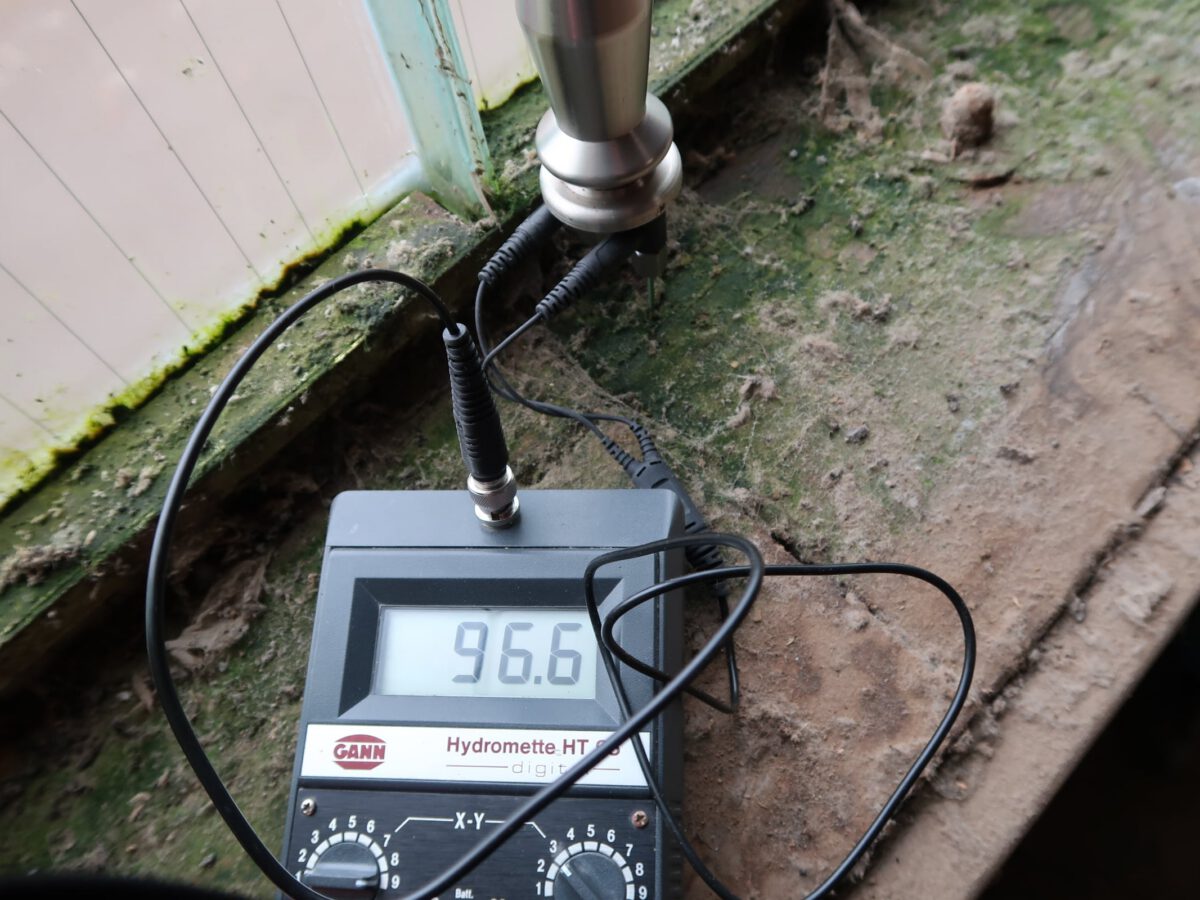
- Wet fill. Saturated insulation conducts heat far better than dry, so a wet section reads cold even if it is full.
- Foam shrinkage. Urea formaldehyde foam shrinks as it ages and leaves gaps between the foam and the leaves.
- Escaped bead. Loose bead that has run out through an opening leaves a void above it.
Why cold spots matter
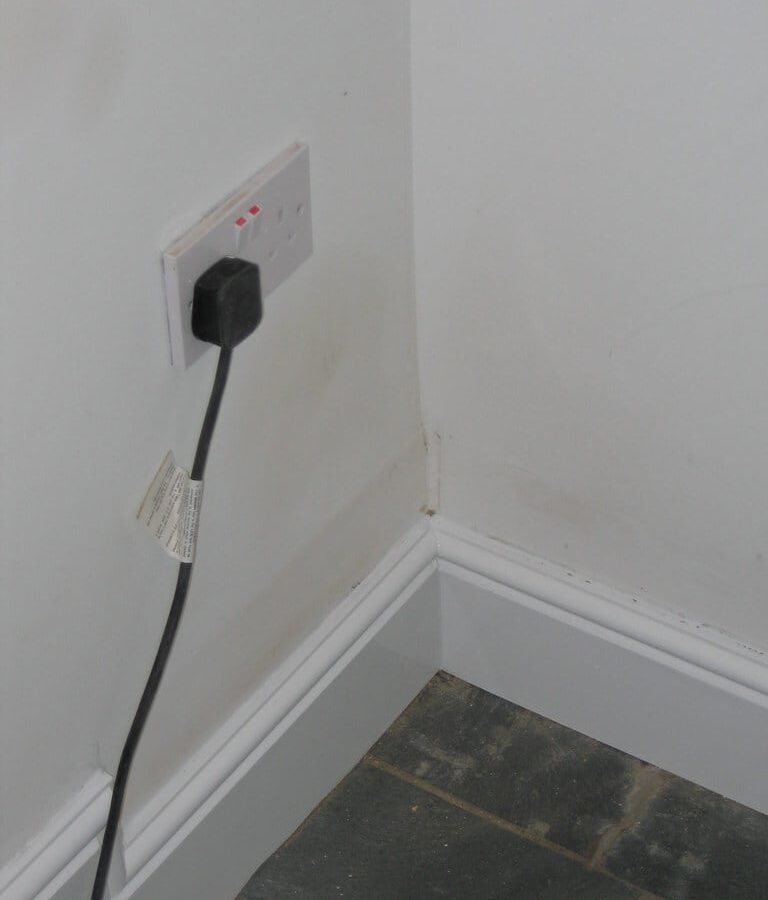
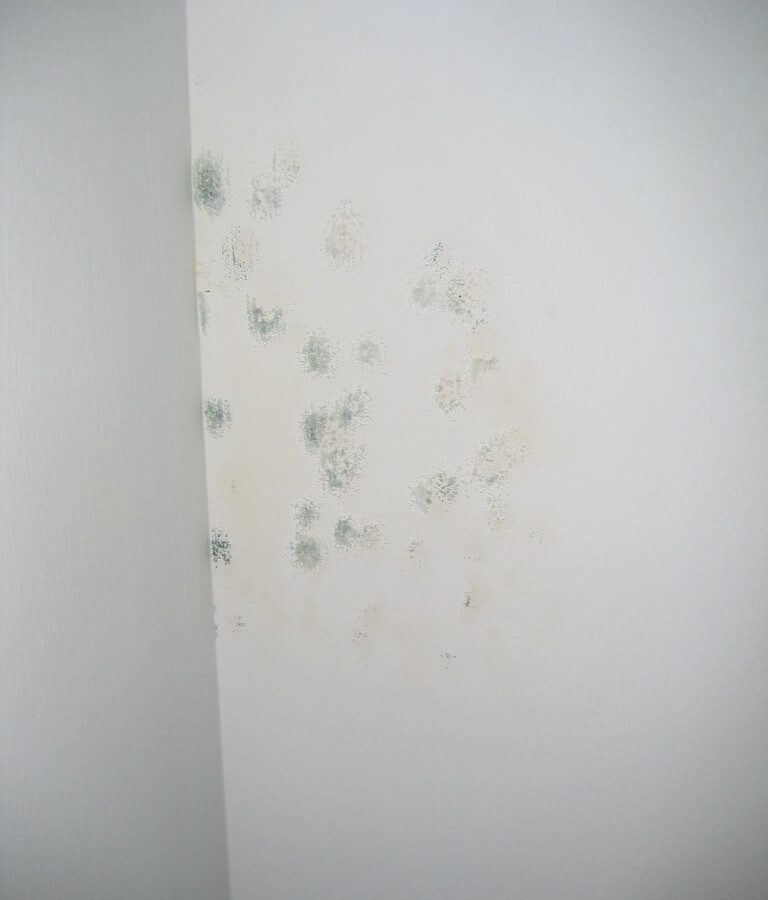
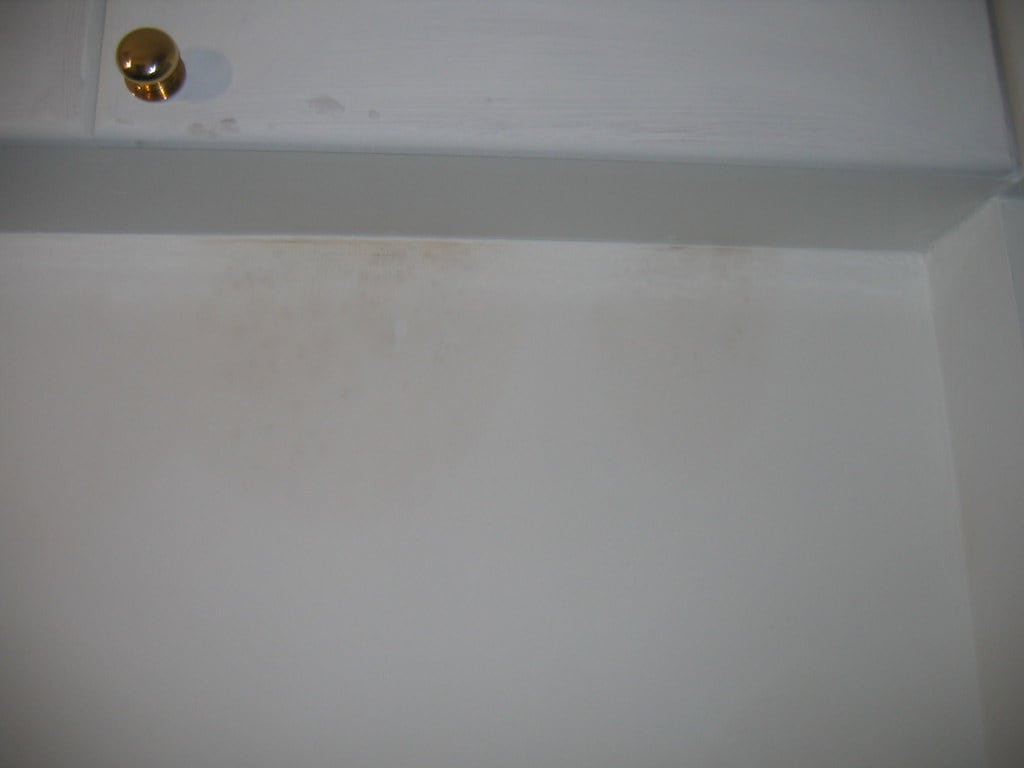
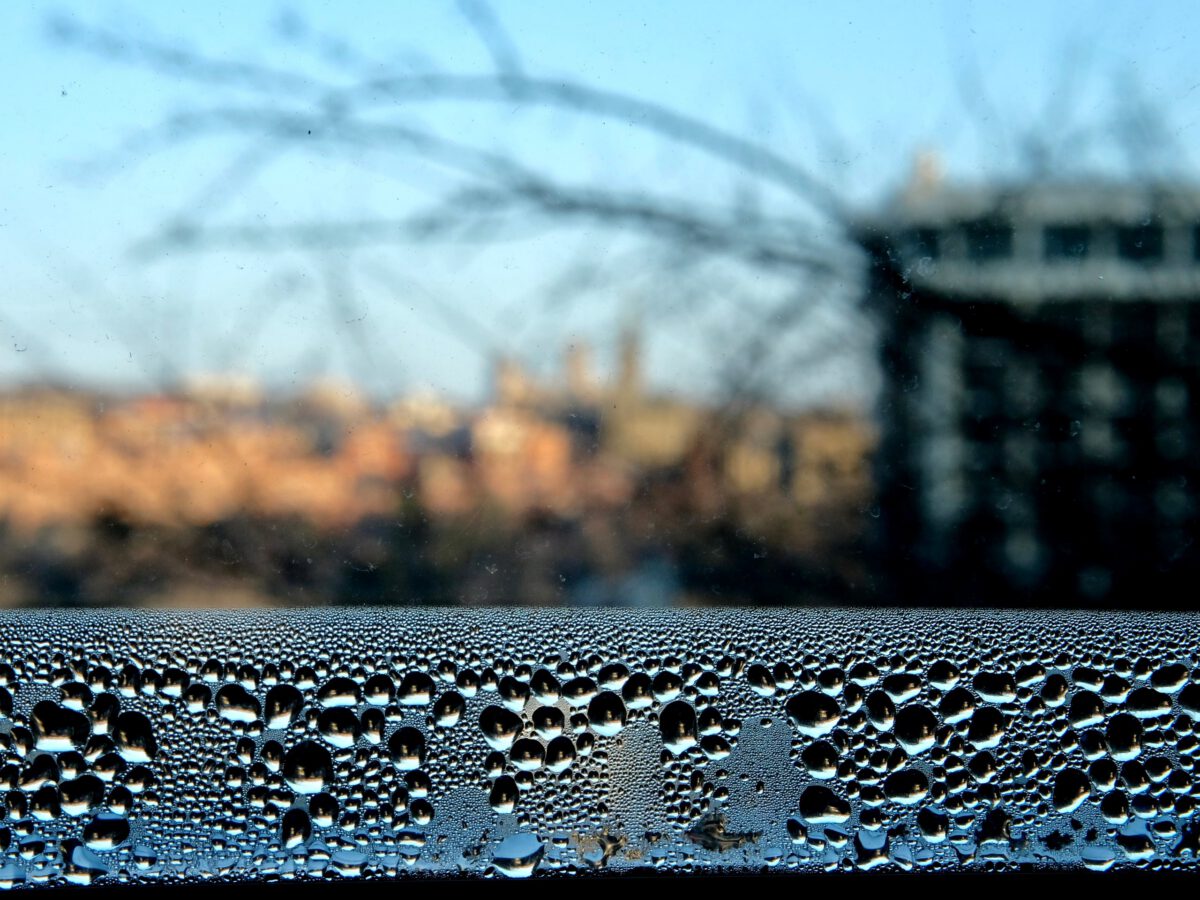
A cold patch is where condensation forms and where mould follows. Guidance from insulation manufacturers is clear that air gaps in an insulated cavity create cold spots that attract moisture.
How we find them
A thermal camera on a cold morning, with the heating on, shows the pattern on the whole elevation at once: blue bands where the fill has gone, warmer where it remains. That tells us where to put the borescope.
How we deal with them
If the fill is dry and simply patchy, the cavity can sometimes be topped up by an installer, and we will say so; it is not our trade. If the fill is wet or slumped, the elevation is cleared.
If one wall of your house is always colder than the rest, a survey will tell you why. Book a free survey.