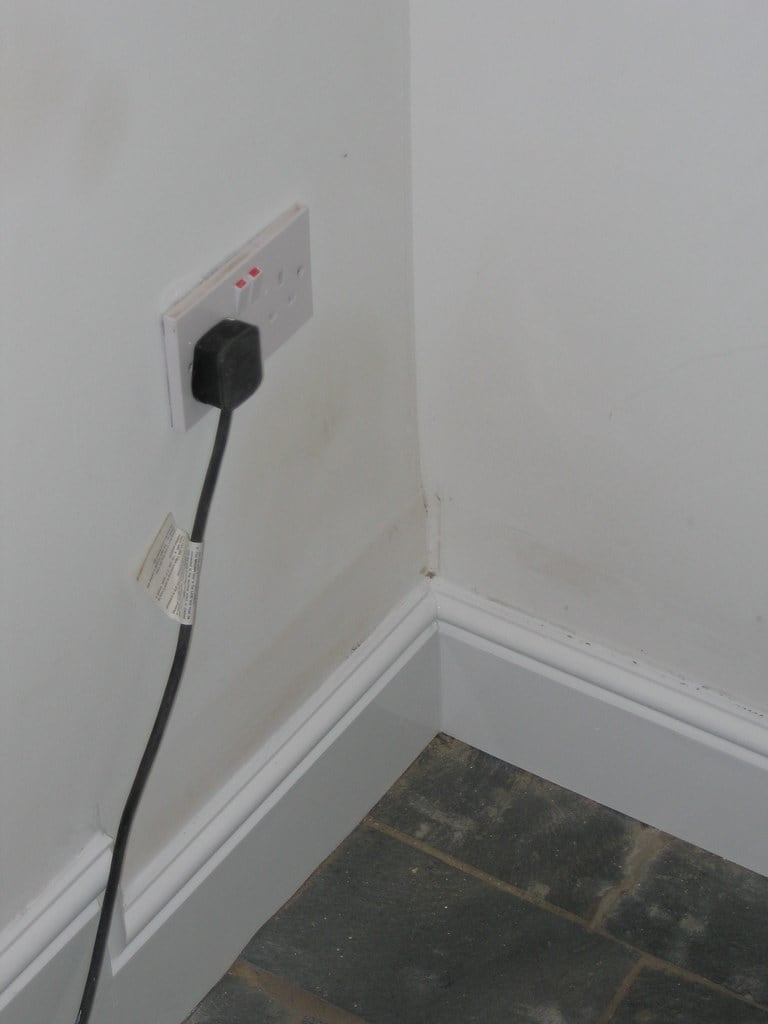
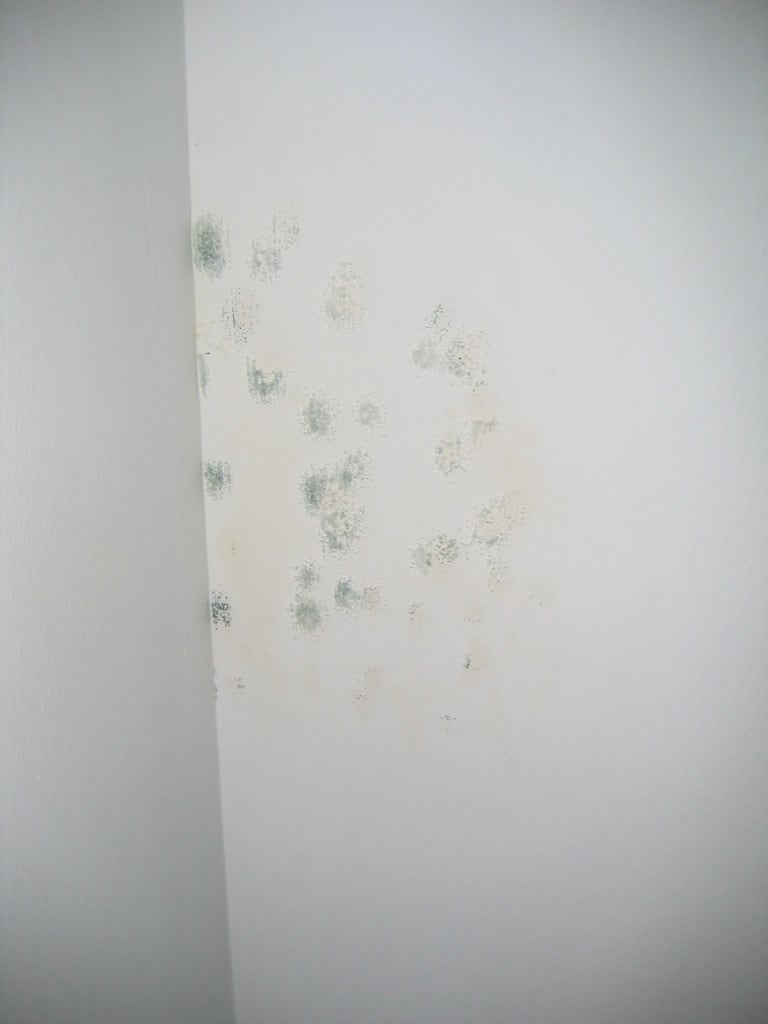
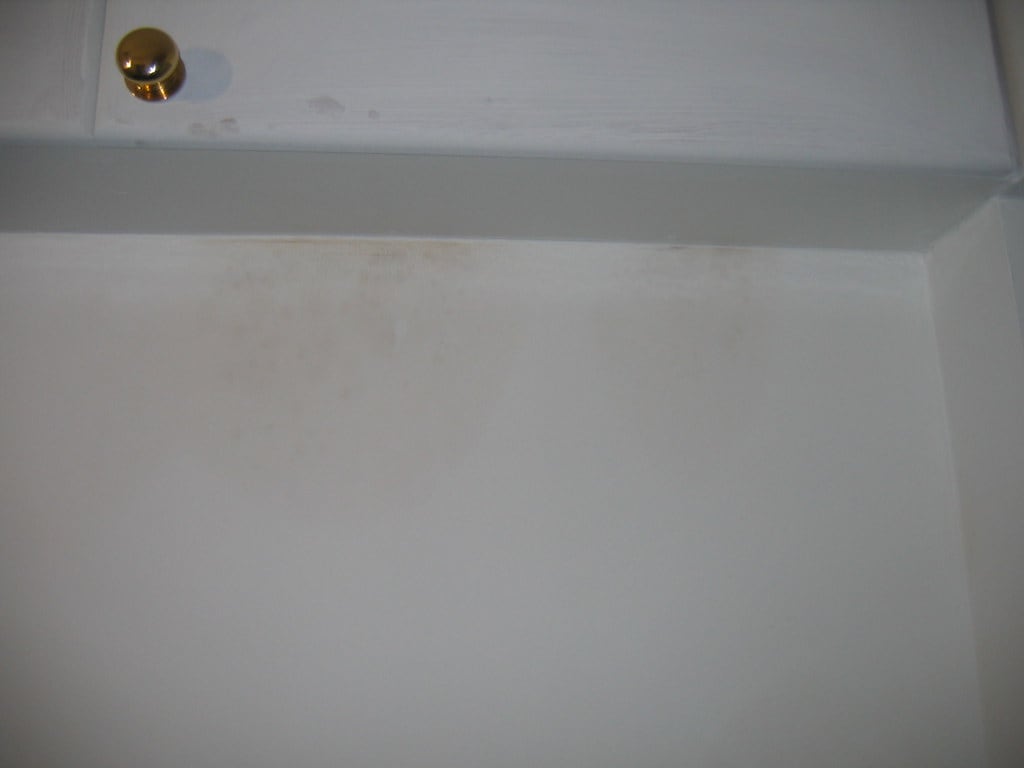
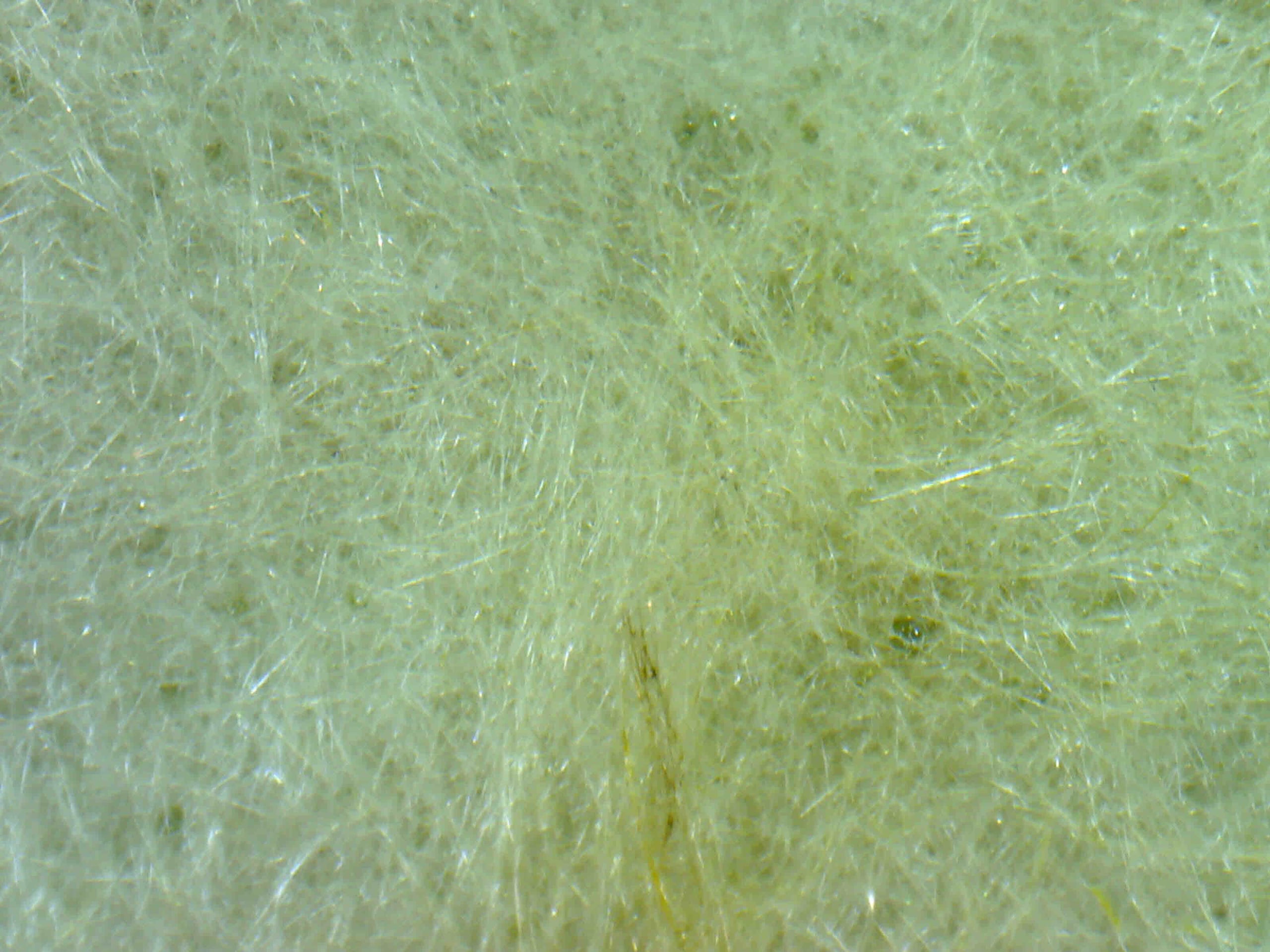
A damp wall can be wet on the surface, wet right through, or salty and reading wet when it is not. The difference decides whether the cause is condensation, a bridged cavity or an old problem that has left its salts behind.
What we measure and how
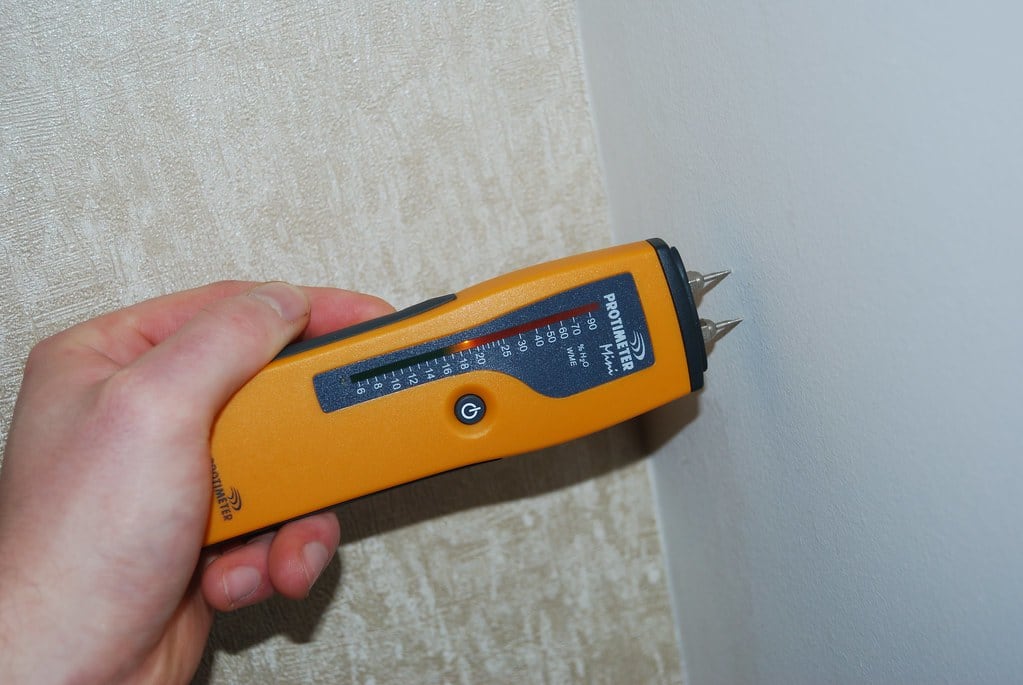
- Surface readings with a pin meter, in a grid across the affected area and beyond it, to map the wet zone and its edges.
- Depth readings where the plaster allows, because a bridged cavity wets the wall from the inside out and surface condensation wets it from the outside in.
- Comparison readings on a wall in the same room that faces a different way, so we know what dry looks like in your house.
- Air readings: room temperature and relative humidity, and the surface temperature of the wall, to check whether the surface is below dew point.
- Outside readings on the brickwork after rain, where useful, to see how wet the outer leaf is holding.
Why a single reading misleads
Pin meters measure electrical resistance, and salts in old plaster conduct just as water does. Damp survey guidance says pin readings can give false positives for that reason.
Putting the readings with the borescope
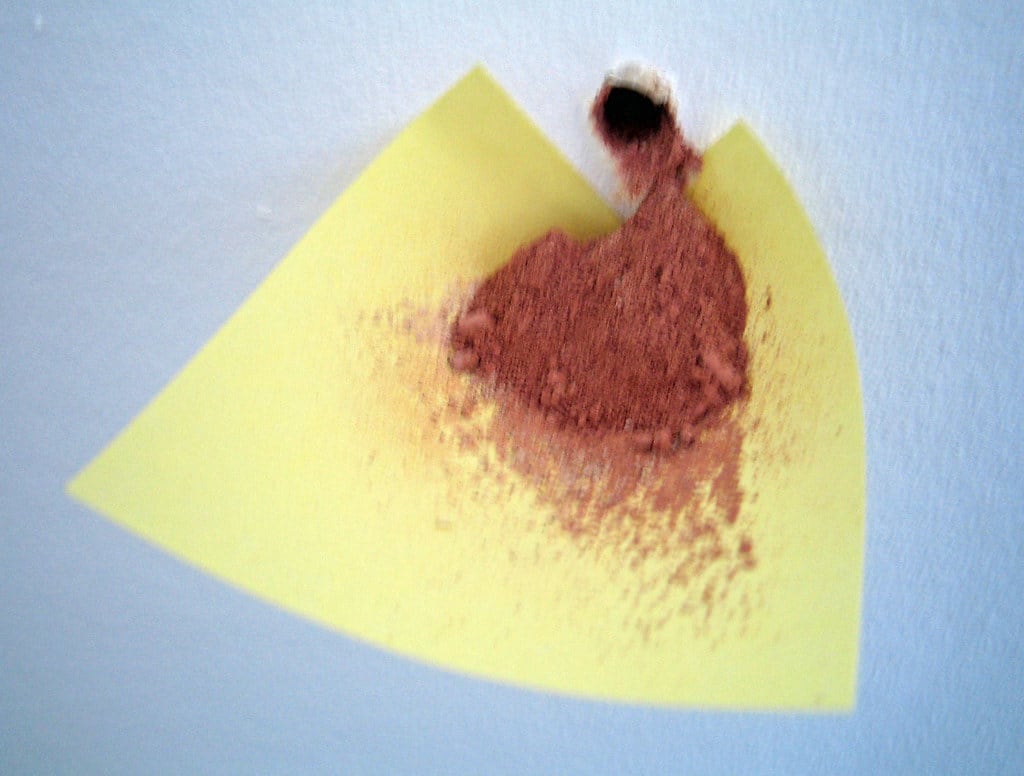
The readings say where the wall is wet. The borescope says what is in the cavity at that spot.
After the work
Readings are repeated after extraction, on the day and by arrangement some weeks later, so the drying can be tracked against the original grid. Masonry that has held water for years dries slowly and unevenly; seeing the numbers fall is more use than being told to wait.
Moisture readings are part of every free survey. Book a free survey.