Take the wet fill out and the water stops crossing the cavity. It does not leave the wall.
How long it takes
The damp-proofing trade’s rule of thumb is to allow one month per 25mm of wall thickness, which for a standard cavity wall of two leaves works out at many months, and a year before final decoration is not unusual on a wall that was badly wet. Extraction guides give shorter figures for the cavity itself being dry enough to consider re-filling: around two weeks in mild conditions if the fill was only damp, six to eight weeks or more if it was wet, and longer in winter.
What helps
- Air movement. Windows open on dry days, trickle vents open, extractor fans working. Moisture leaves a wall into moving air.
- Background heat. A steadily warm room dries a wall faster than one blasted then left cold. Warm air holds more moisture and carries it out.
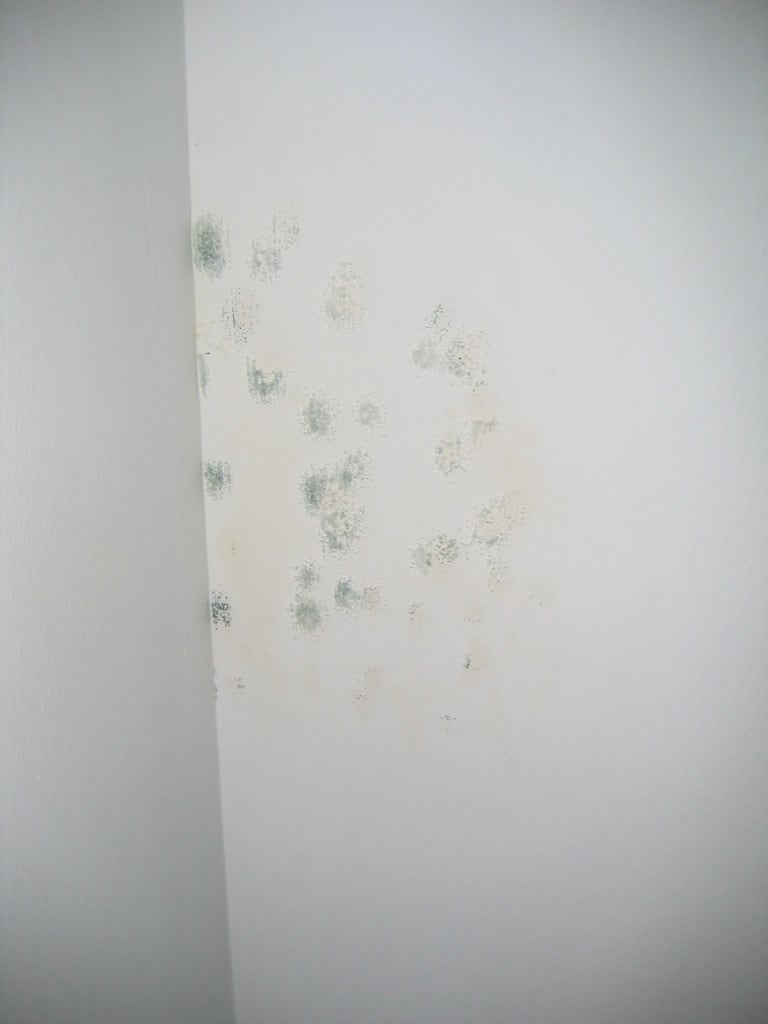
- Furniture off the wall. A wardrobe against a drying wall traps damp air behind it and grows mould. Pull it a hand’s width out for the season.
- Outside kept in order. Gutters clear, downpipes joined, pointing sound. A wall cannot dry if it is still being wetted.
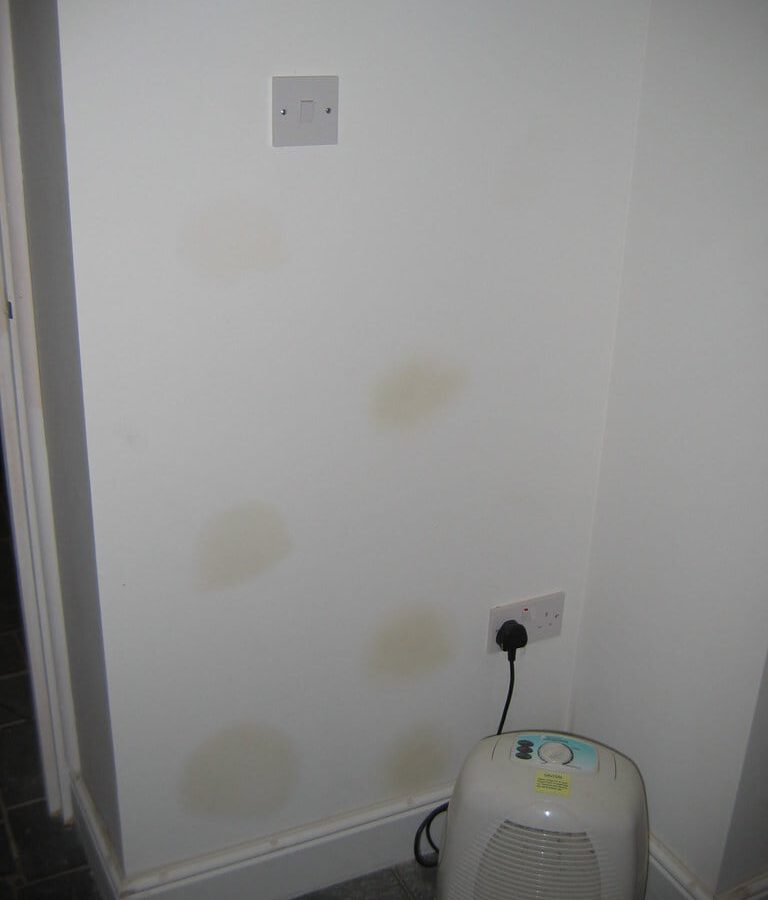
- A dehumidifier in the worst room, if you have one, run with the door shut. It helps the plaster; it does not reach deep into the masonry.
What to leave alone
Do not seal the wall. Paints and sealers that stop moisture leaving trap it in the masonry and drive it elsewhere.
What to expect while it dries
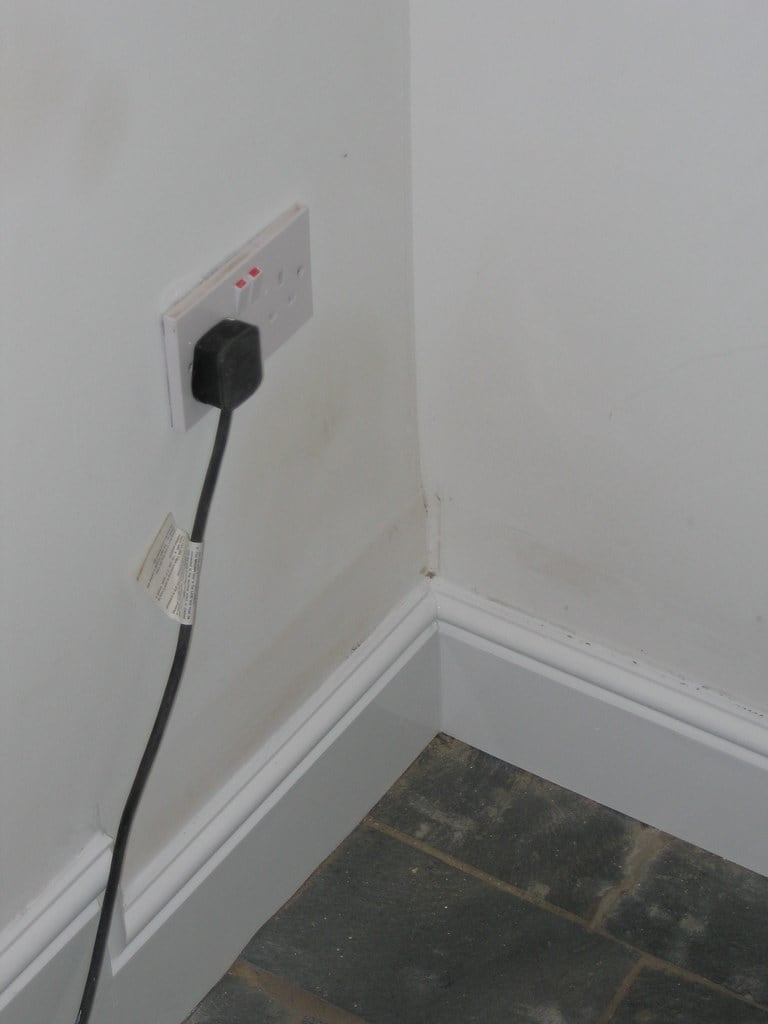
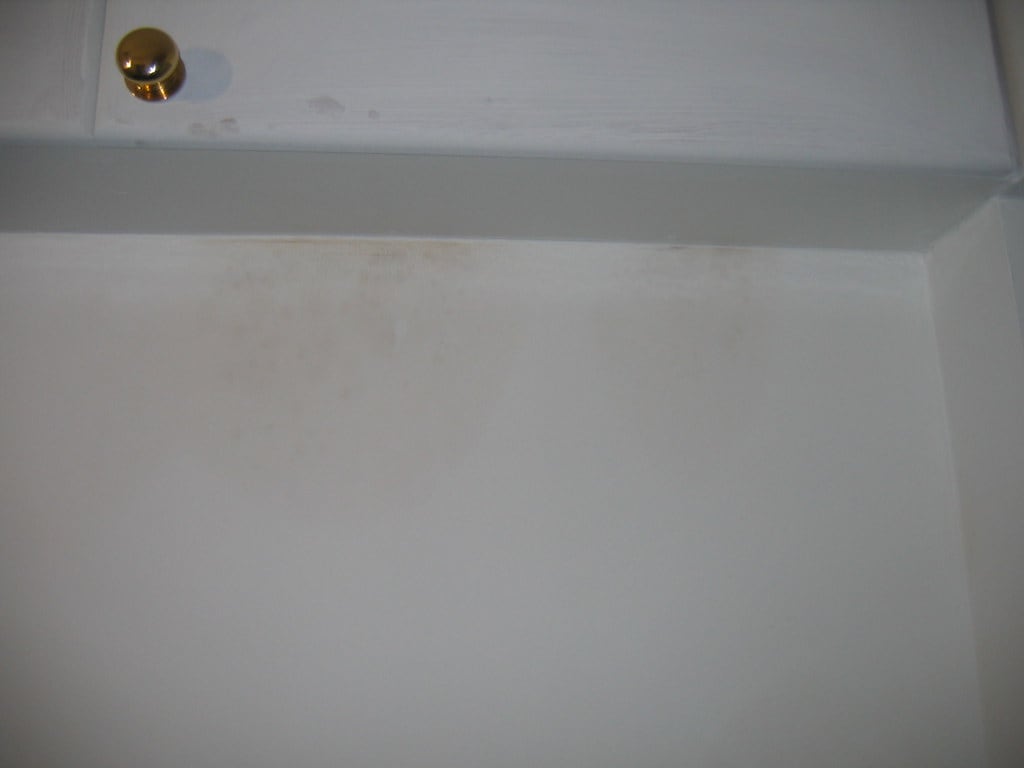
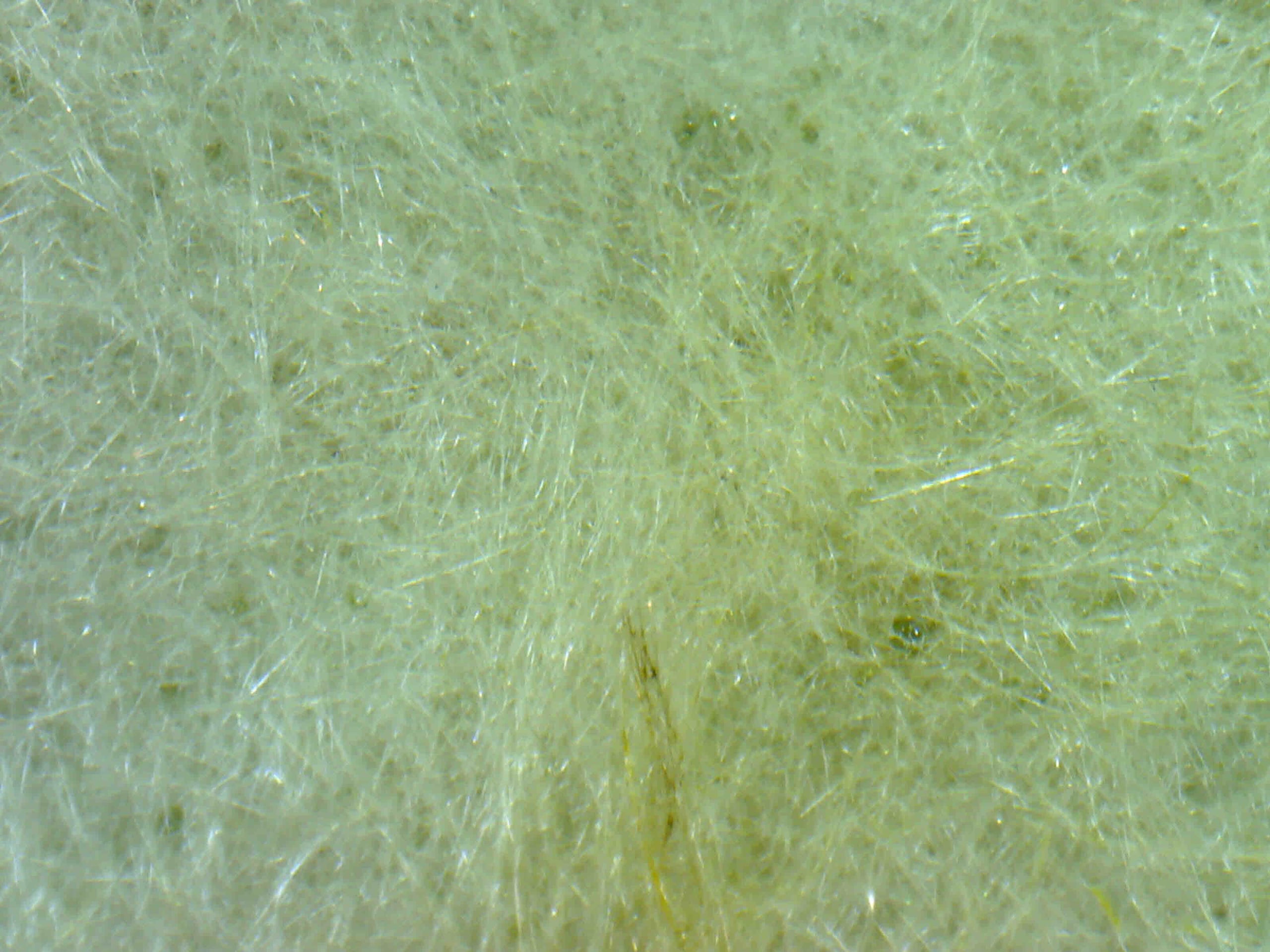
Staining can get worse before it gets better as water moves to the surface and evaporates, leaving salts behind. That is normal and not a sign the extraction failed.
If your walls have been extracted, by us or anyone, and you are not sure whether they are drying, we can take readings against the original grid. Book a free survey.