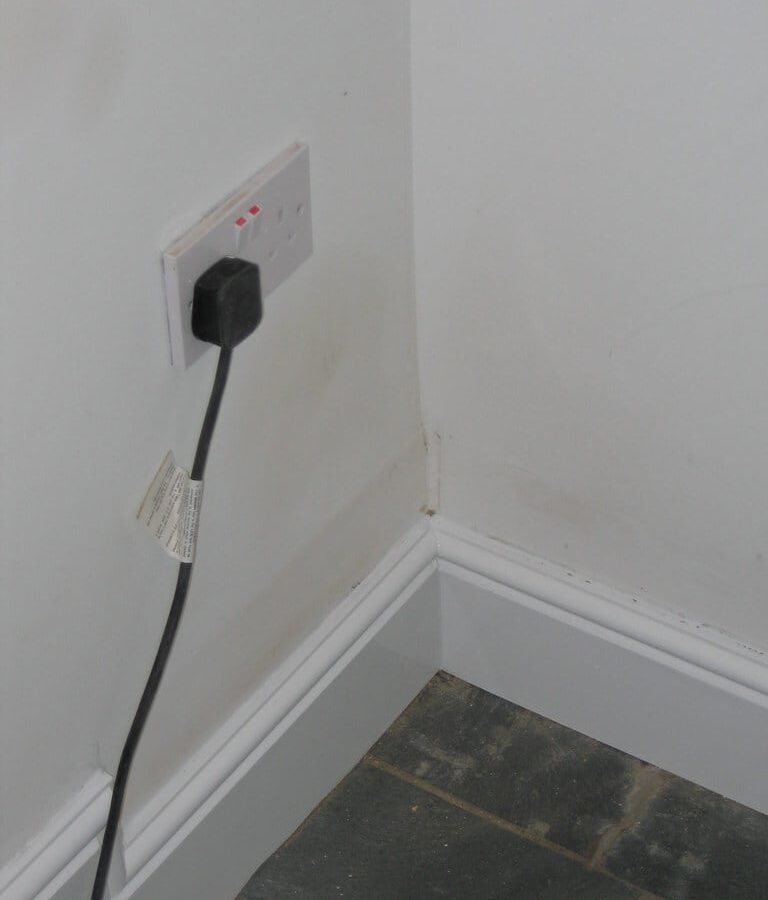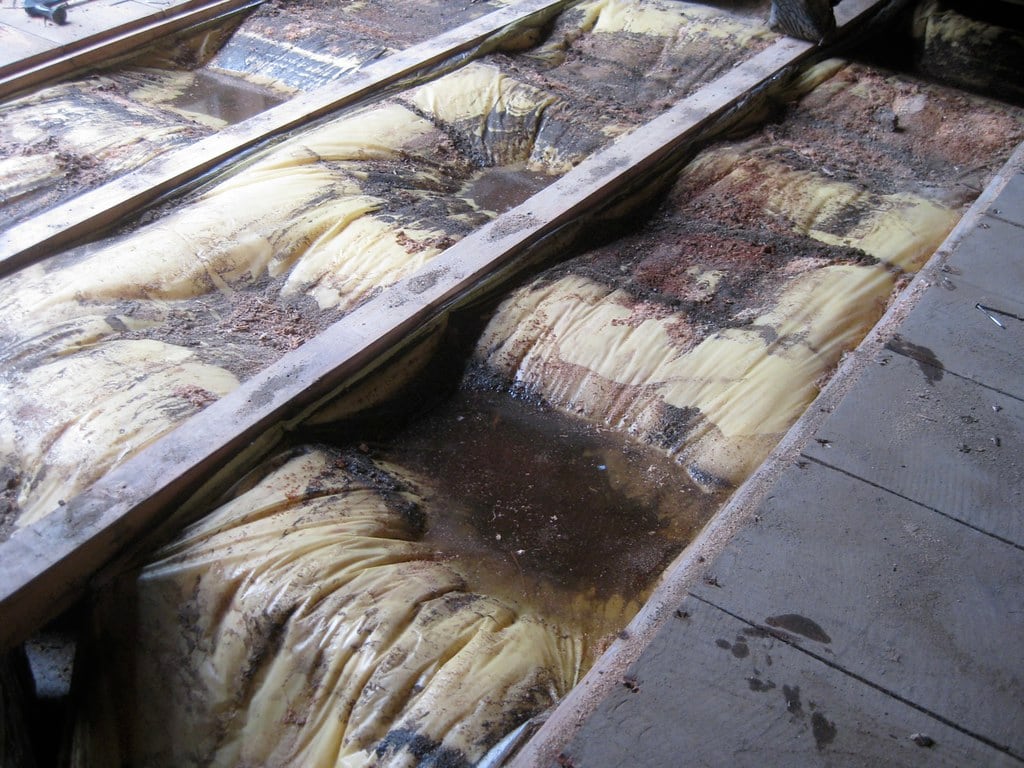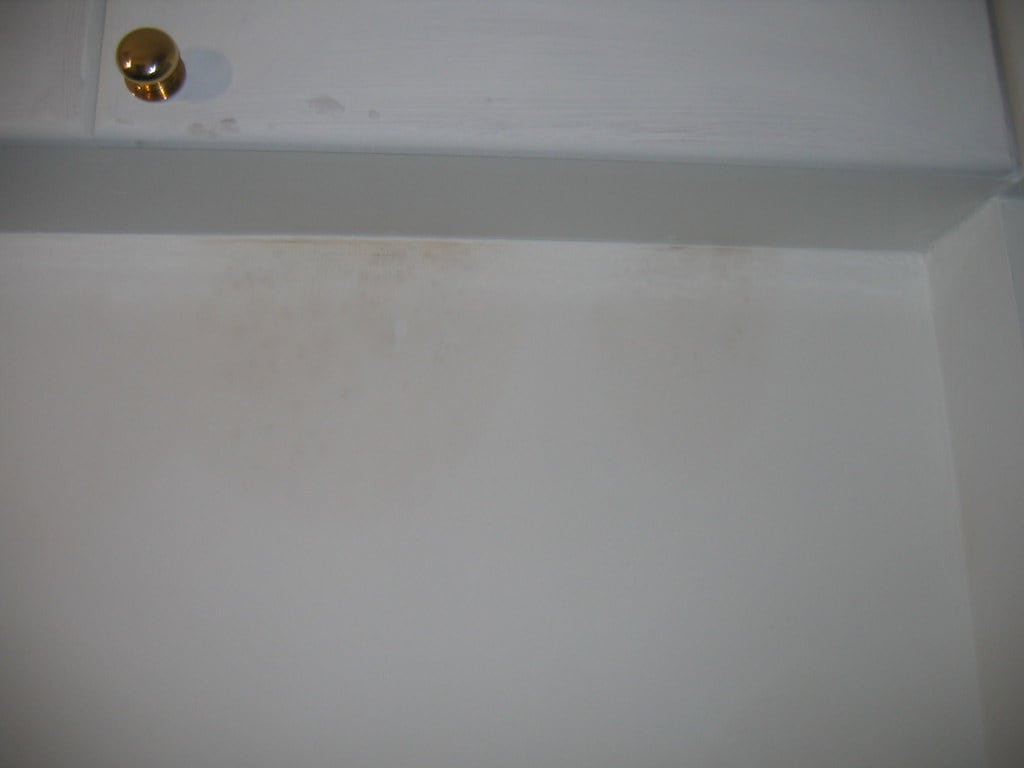
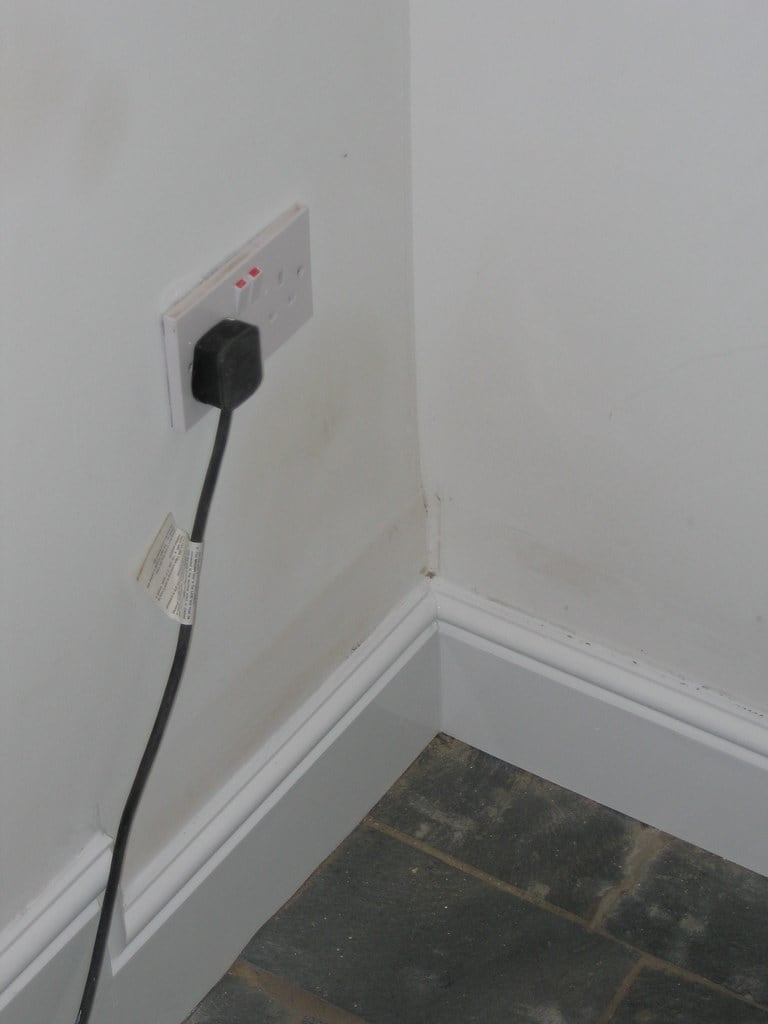
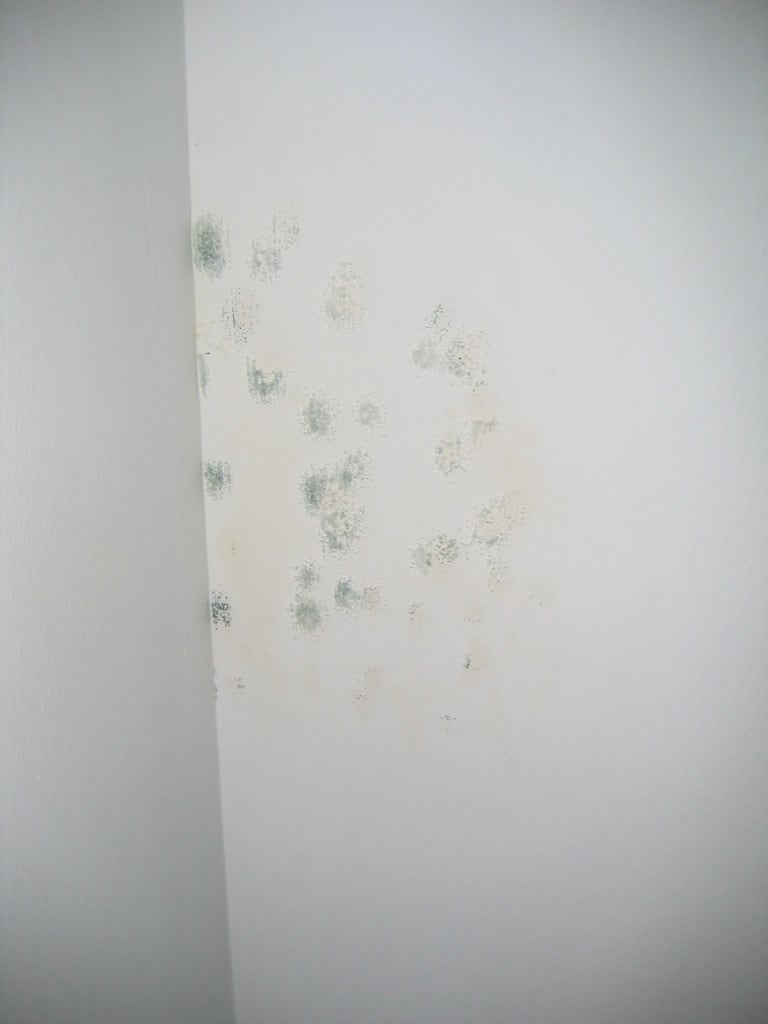
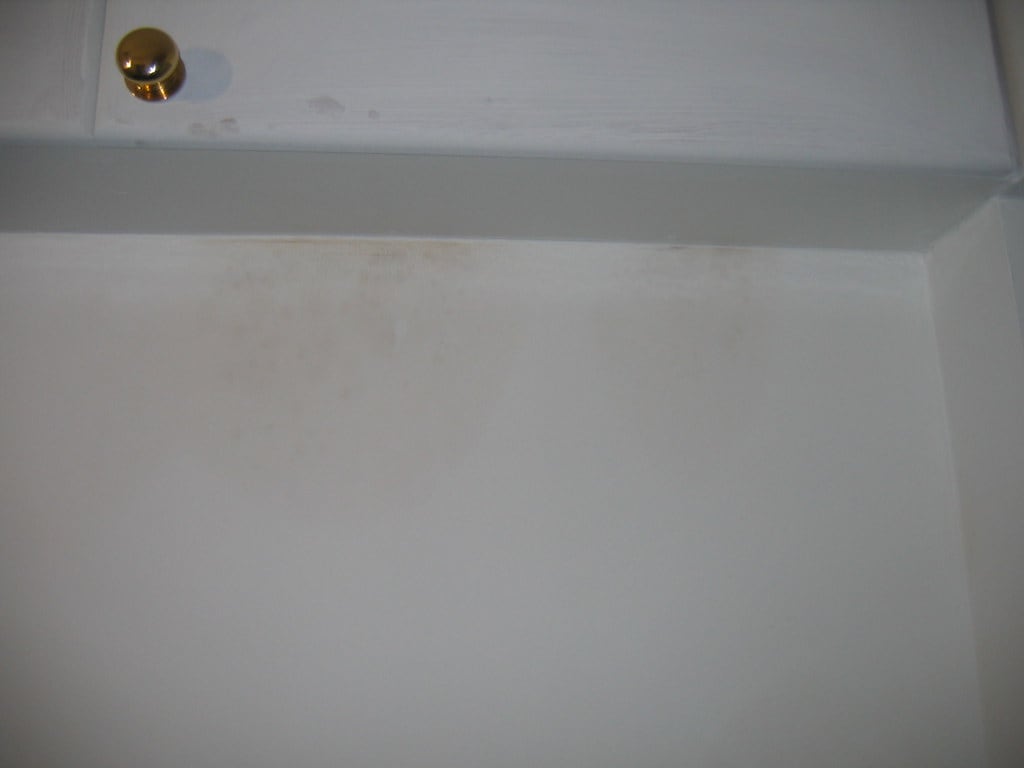
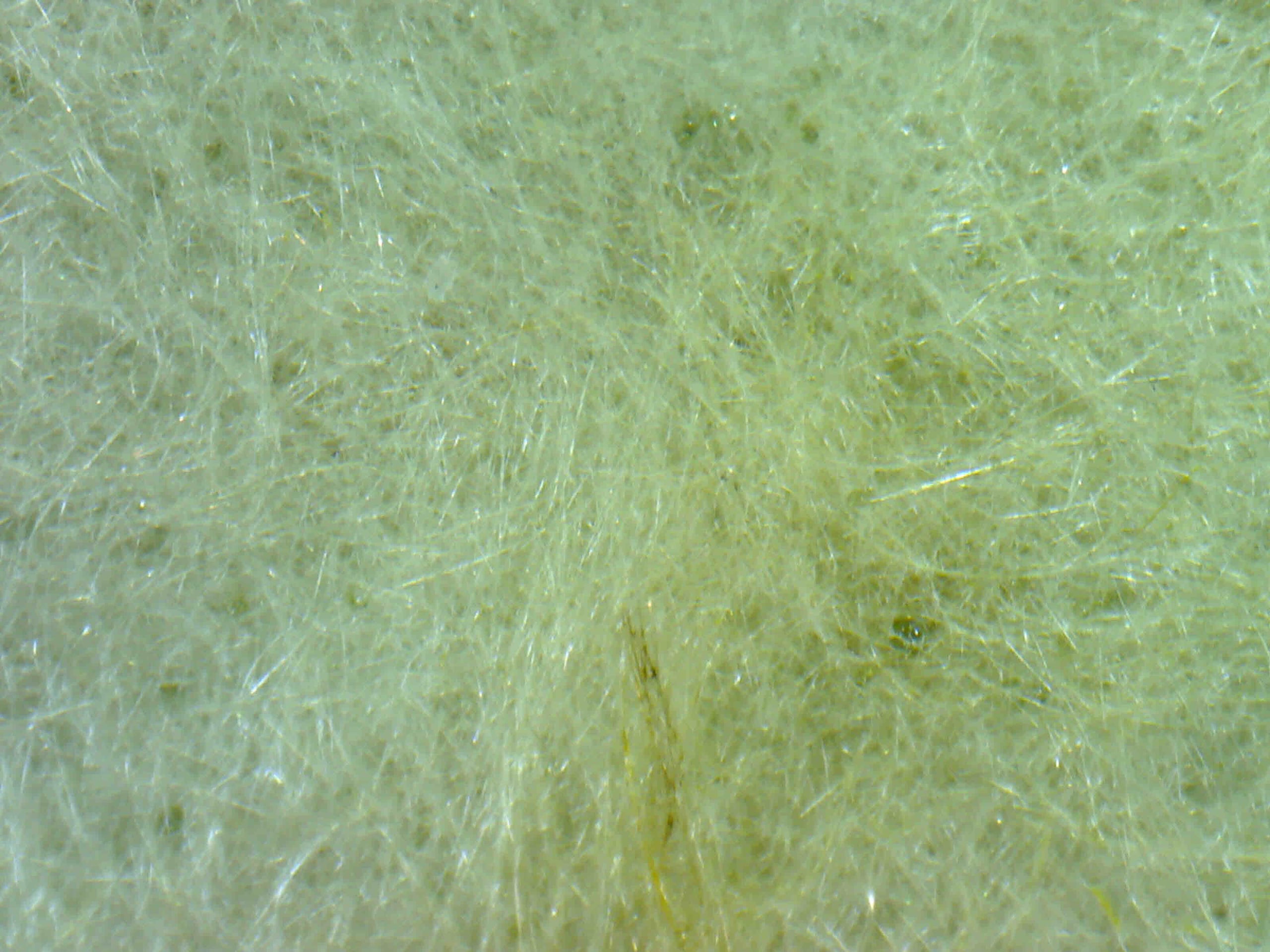
Mould grows where warm, moist indoor air meets a cold surface, whatever made the surface cold. Cavity wall insulation comes into it two ways: when fill is wet, it conducts heat out through the wall and the inside face goes cold; and when fill has slumped or was never fully injected, the uninsulated patches are colder than the wall around them.
Where mould shows when insulation is the cause
- In patches that match cold areas rather than following the room’s air flow, often mid-wall, where fill has slumped away above
- On outside walls that face the weather, while inside walls in the same room stay clean
- Around window reveals and above lintels, where installers often could not get fill into the wall
- Alongside a damp patch that reads wet on a meter, not just a cold surface with surface condensation
Where it shows when ventilation is the cause
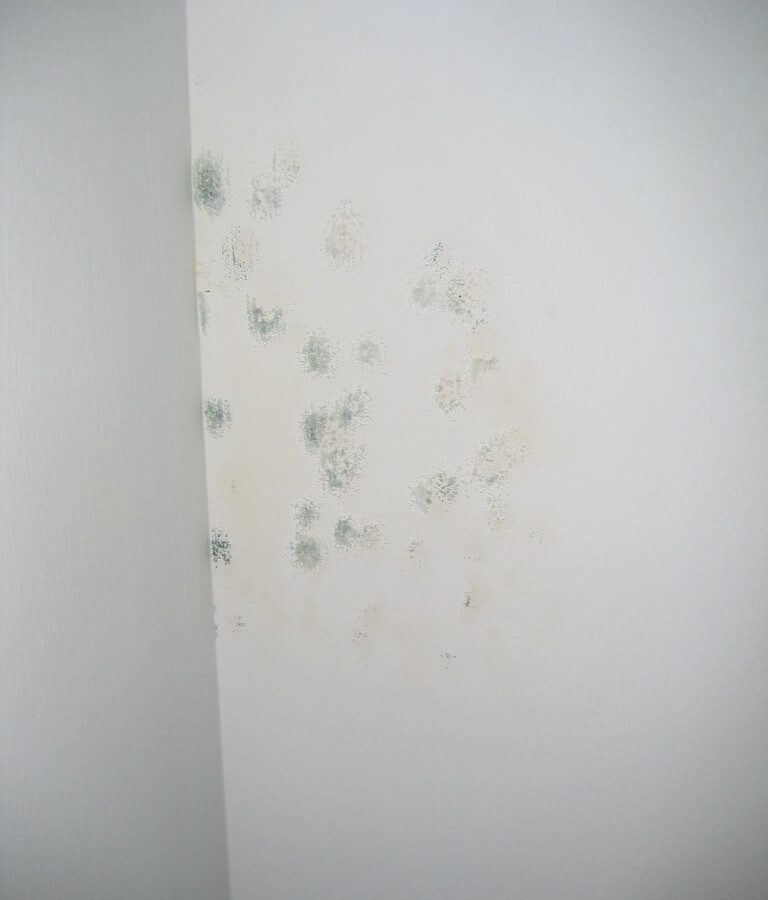
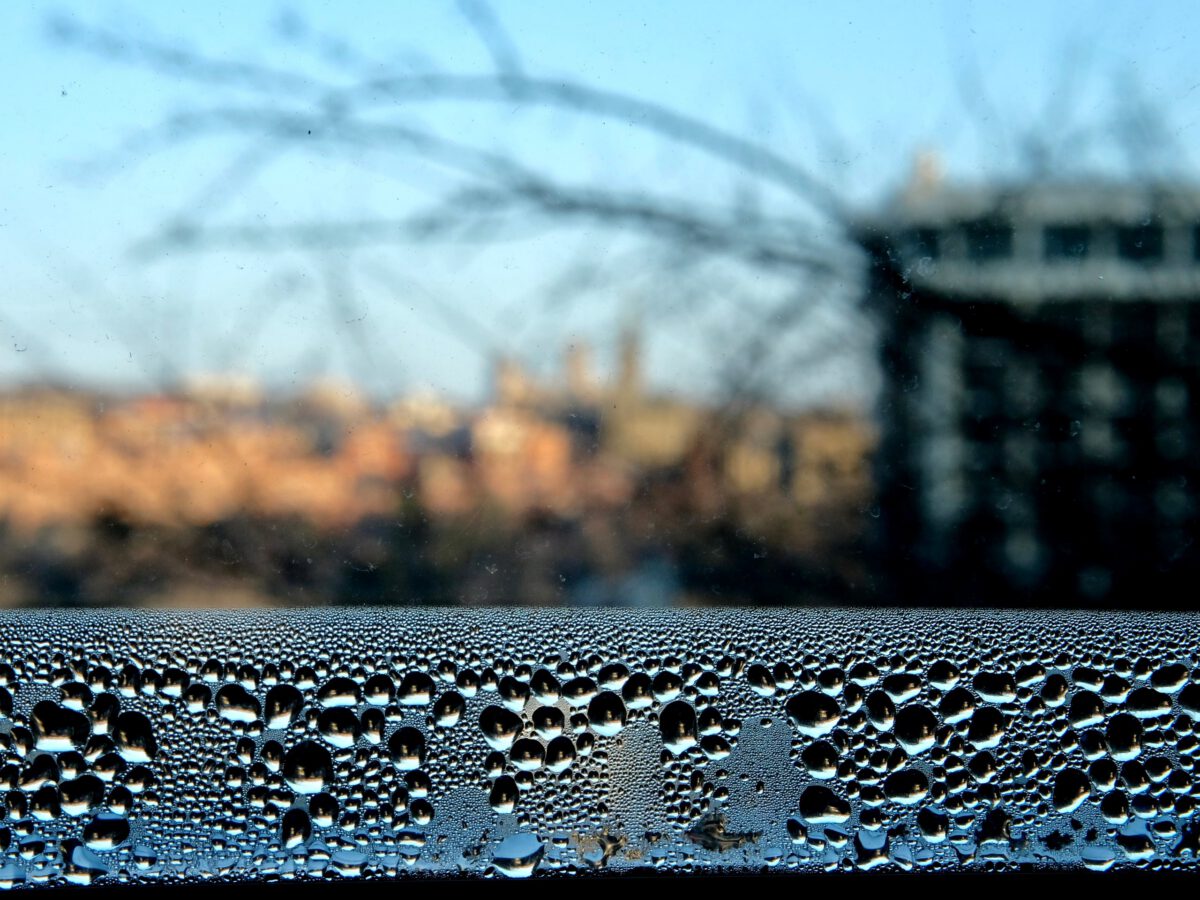
A house where washing is dried, food is cooked and showers are taken with the windows shut and the extractor fans off will grow mould on any cold surface: outside corners, behind furniture, on the ceiling by the bathroom door, on single-glazed windows. The walls read dry below the surface.
How we tell the two apart
Moisture readings first. Surface condensation wets the paint and the top skim; a bridged cavity wets the whole thickness of the wall.
After the insulation is out
A cleared cavity stops the water bridging, but a wall that has been wet for years keeps giving up moisture into the room for months. During that time mould can still appear if the room is not ventilated and heated.
If mould keeps coming back on the same outside wall however much you clean it, that is worth a survey. Book a free survey.