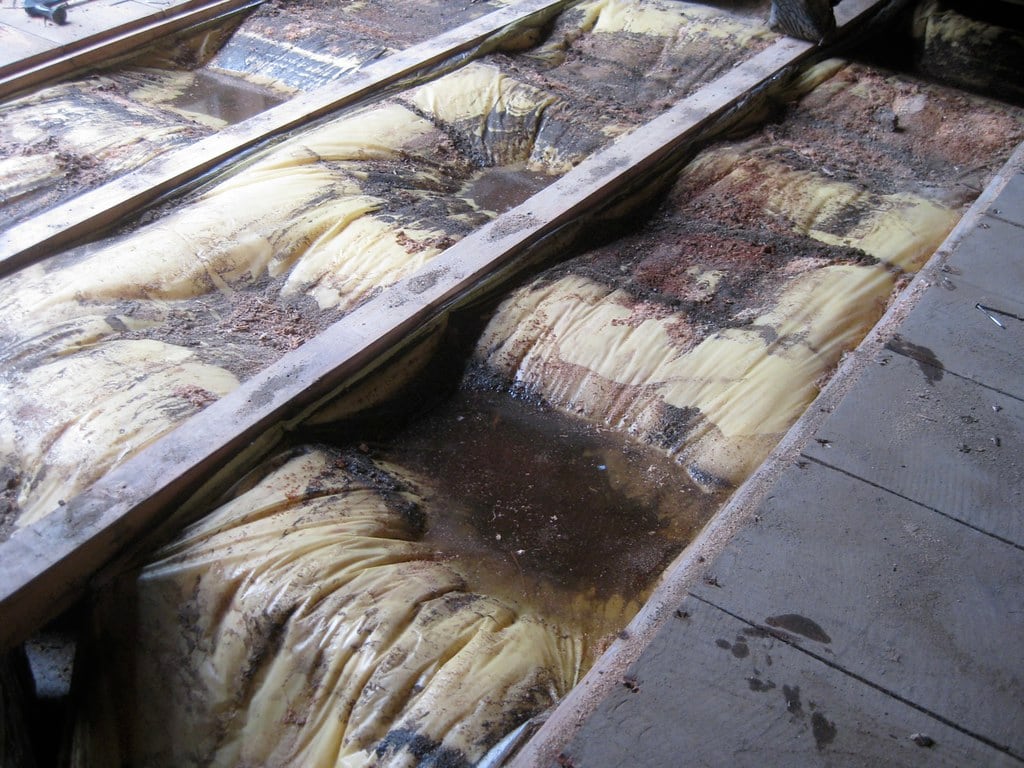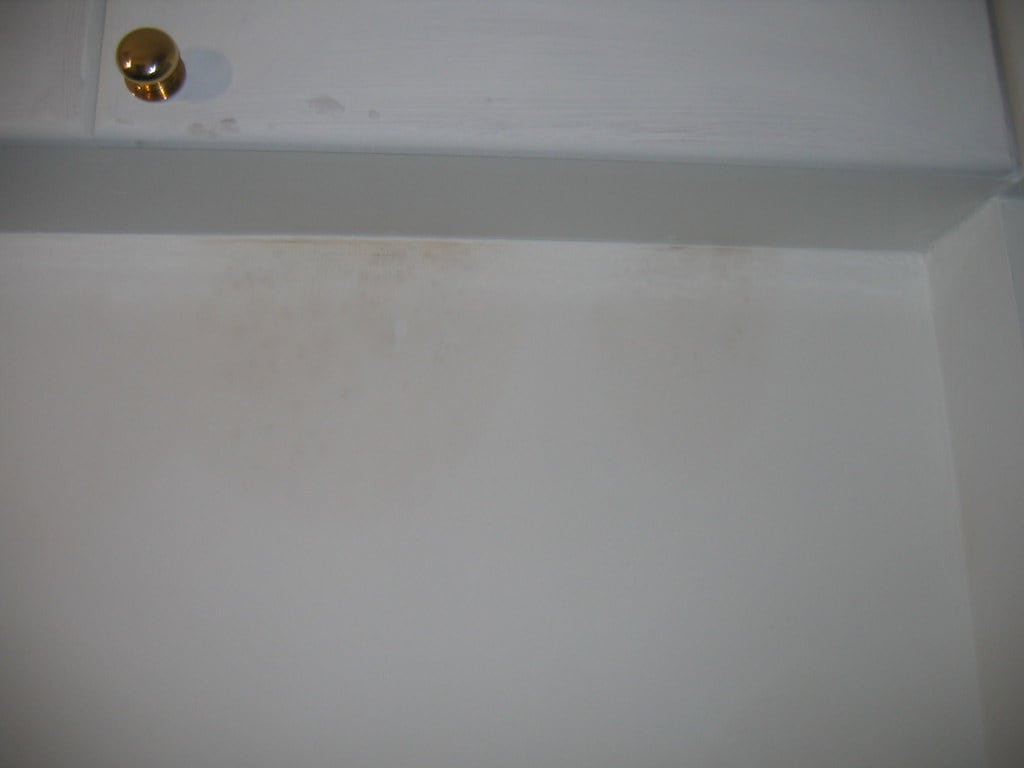

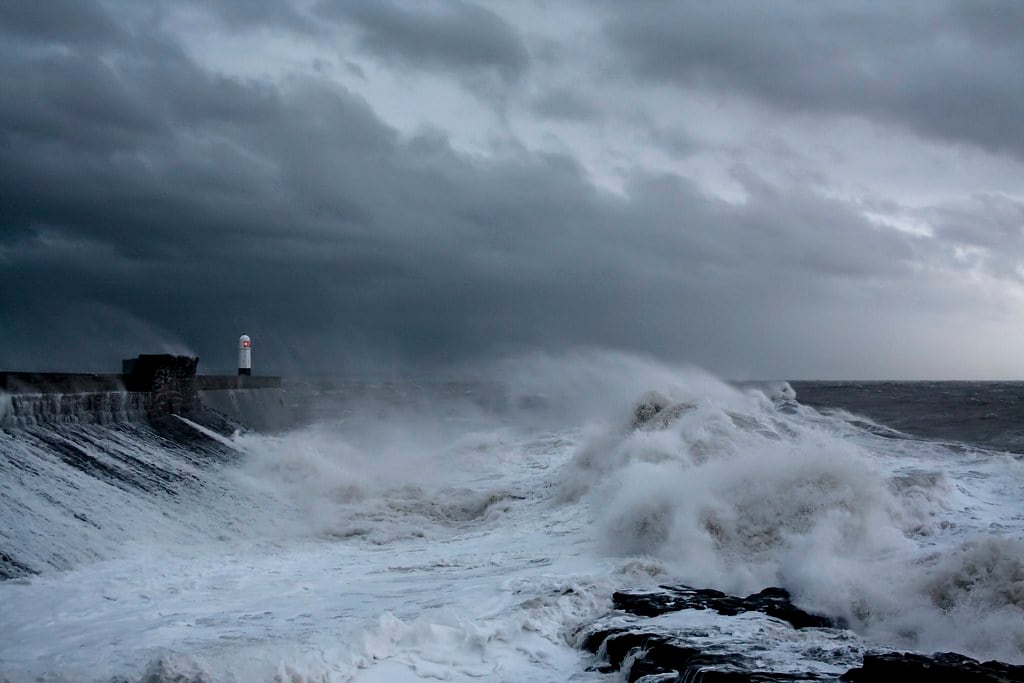
Cavity wall insulation fails more often on walls that take a lot of driven rain. The building guidance divides the UK into four zones of exposure to wind-driven rain, and the wetter western and northern parts of Britain, including most of Wales, the south-west, the north-west and western Scotland, sit in the higher zones.
The four exposure zones
Approved Document C of the Building Regulations, which applies in England and Wales, carries a map of the UK divided into zones by the amount of wind-driven rain a wall can expect in a wet spell, calculated by the method in BS 8104. Zone 1 is sheltered, under 33 litres per square metre per spell.
What the guidance says about filled cavities in those zones
Approved Document C ties cavity width and fill to exposure. For fair-faced brick with an injected fill, BRE’s summary of the guidance is that a 50mm filled cavity is acceptable only up to zone 2, a 75mm to 125mm filled cavity up to zone 3, and only a filled cavity of 150mm or more is deemed acceptable in zone 4.
What happened anyway
Houses were filled in very large numbers, most of them under energy-saving schemes, with a 50mm cavity, on exposed sites. The clearest public account is from Wales.
What exposure means for your house
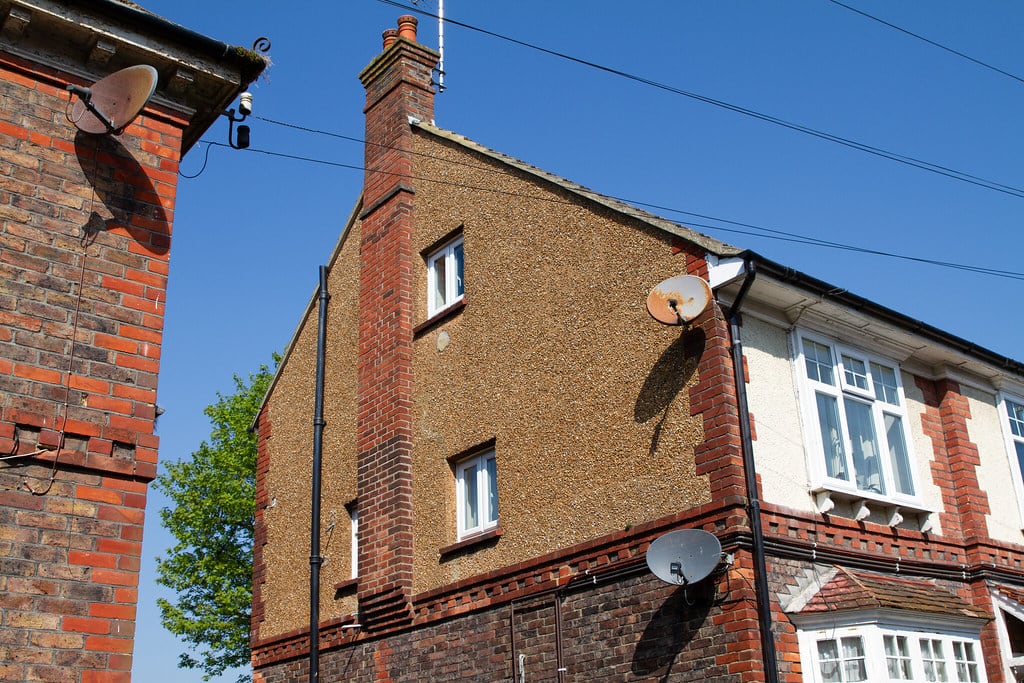
The map is a regional guide. Your wall’s real exposure depends on its orientation, the ground in front of it, neighbouring buildings and trees, and how high it stands.
If your house faces the weather and its walls were filled, have it surveyed before the next wet winter. Book a free survey.