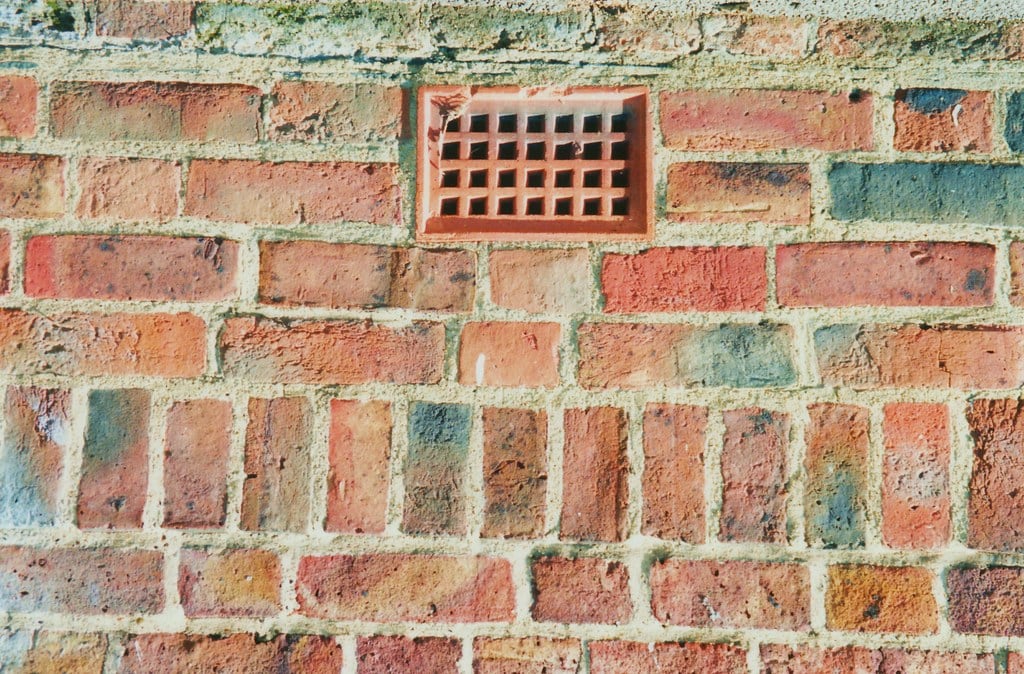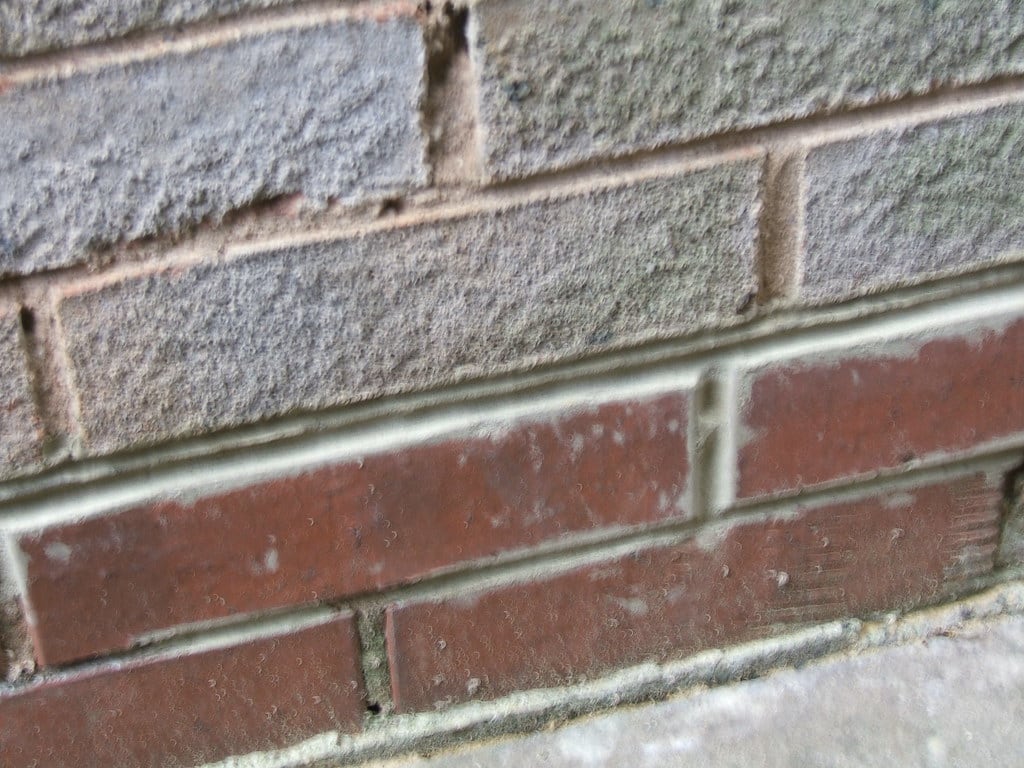
Extraction opens a wall in two ways: the bricks taken out at the base and below windows, and the grid of injection holes the original installer drilled and, often, filled badly. Making good is putting all of that back so the wall is weathertight and does not look like it has been worked on.
The bricks
The bricks that come out are kept and go back in the same holes. On a common brick wall that is straightforward.
The injection holes
An installer’s drilling pattern can be a hundred holes on a house. They were usually filled with a dab of mortar or a proprietary filler that has since shrunk or dropped out, and open holes in the mortar joints let rain straight into the cavity.
Matching the mortar
Mortar colour comes from the sand and the binder, and every wall is different. We mix to match as closely as the wall allows, using a sand that suits the local colour and a lime or cement mix appropriate to the age of the house.

Inside the house
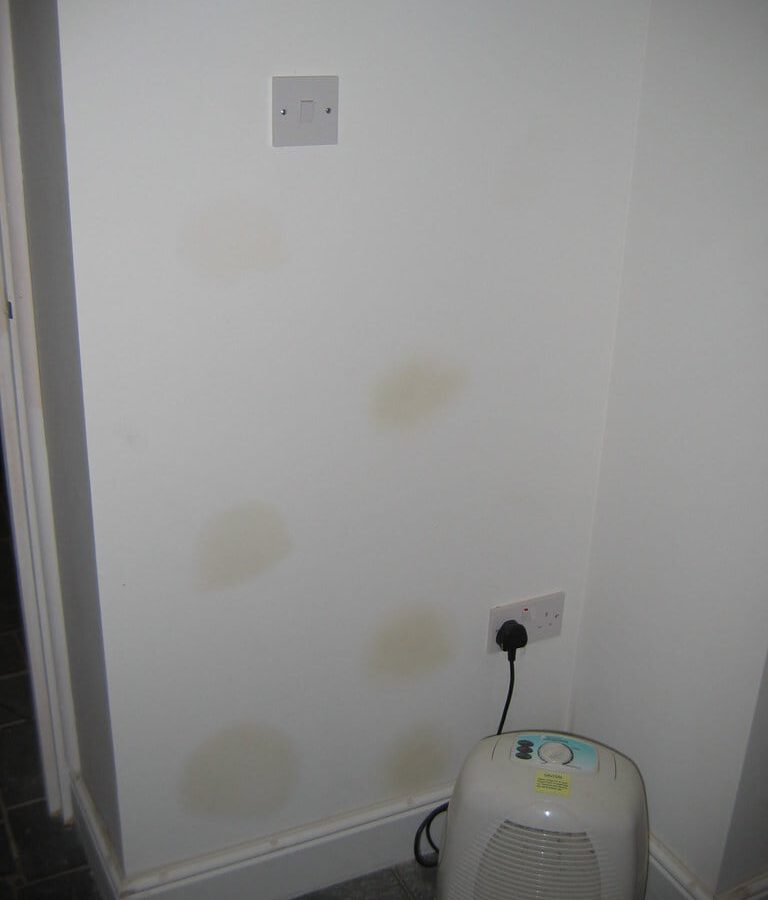
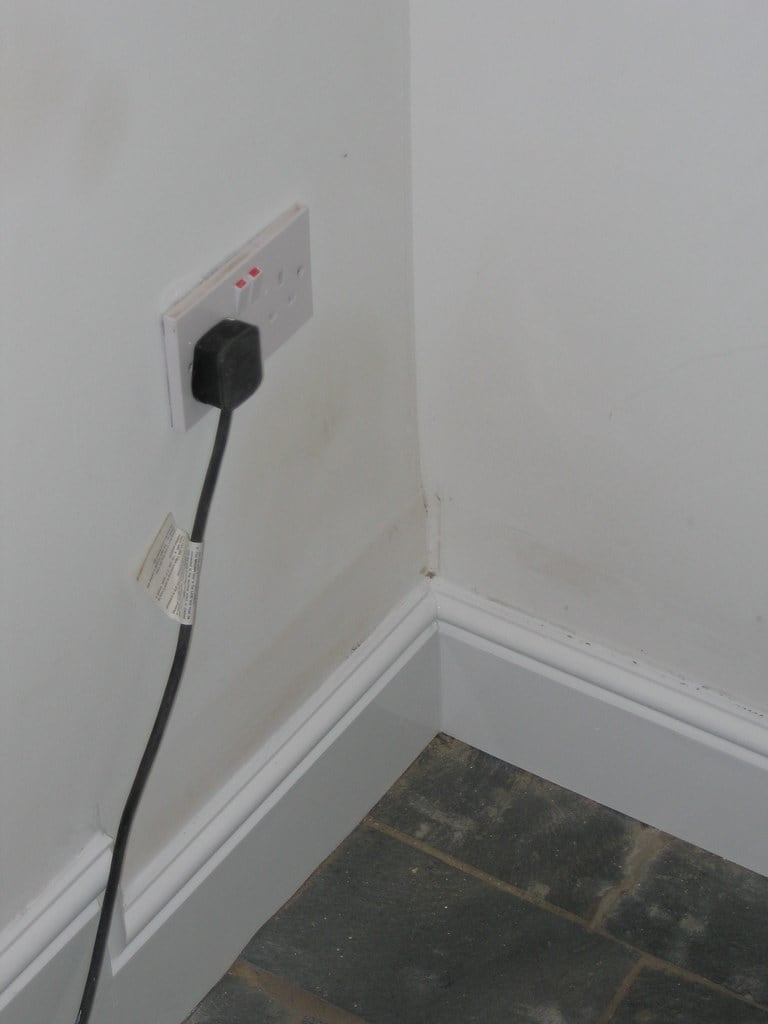
We do not open anything from inside, so there is no making good on the day. What the inside needs is time and, later, a plasterer.
What we leave behind
A wall with its bricks back, its holes pointed, the ground beneath it swept, and the bagged insulation gone. Photographs of every made-good extraction point go in the completion certificate so you have a record of where the wall was opened.
Every quotation includes the making good; it is not an extra. Book a free survey and the quote will describe the wall finish and what putting it back involves.